Anyone who spends time around automatic cars eventually hears people talking about stall speed. It comes up in racing forums, transmission shops, and conversations about acceleration problems. Some drivers install aftermarket converters without really understanding what changes afterward. Others notice their car suddenly launches harder after a transmission upgrade and only later realize the torque converter made most of the difference. Even someone casually checking tools like a bmi calculator online can end up deep in automotive forums where performance discussions somehow drift into transmission setups and engine tuning.
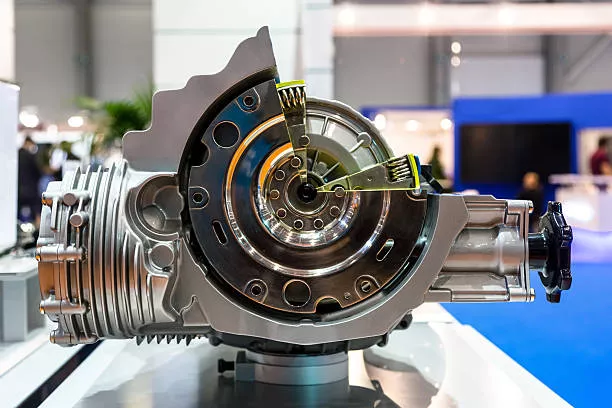
Table of Contents
What is Stall Speed Torque Converter
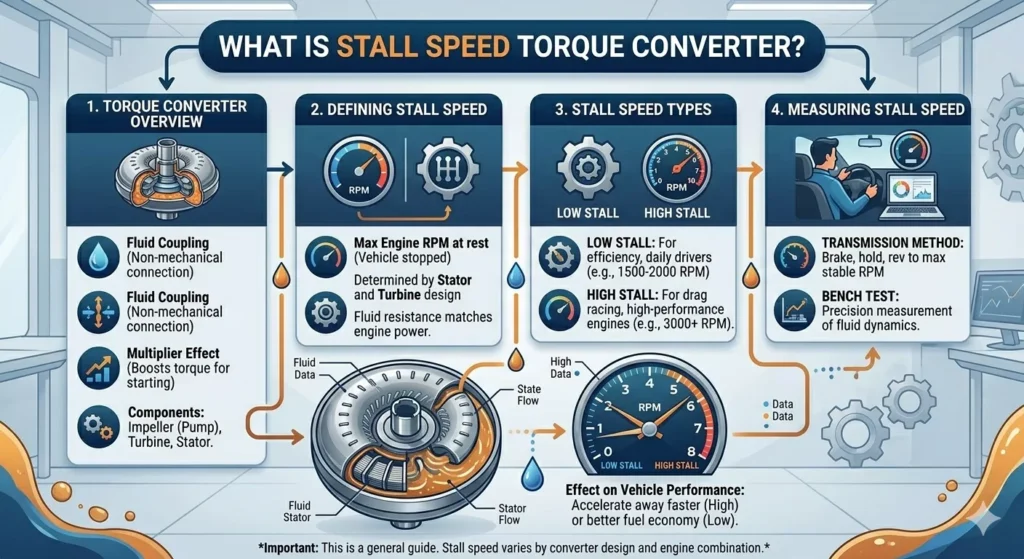
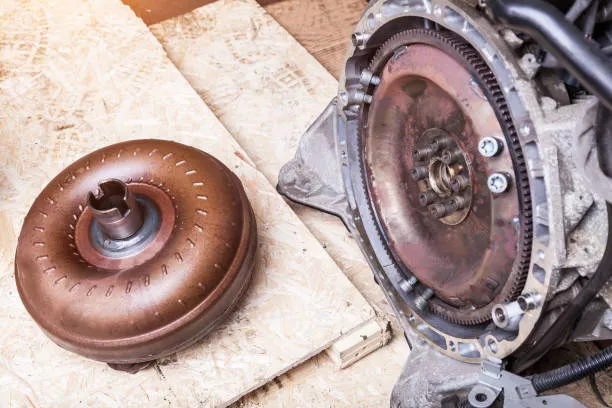
A torque converter is a fluid coupling inside an automatic transmission that transfers engine power to the transmission. Stall speed refers to the engine RPM where the converter stops allowing additional RPM increase while the vehicle remains stationary under load. That point matters because it affects launch behavior, throttle response, drivetrain performance, and how quickly a car reaches its engine power band.
A lot of people think the torque converter is just a replacement for a clutch. That is partly true, though it does more than that. Inside the converter are components working together through transmission fluid pressure rather than direct mechanical contact. The relationship between engine RPM and fluid movement is what creates torque multiplication.
When people ask what is stall speed torque converter and how does it work, they usually want to know why certain cars feel lazy off the line while others jump forward aggressively. Much of that feeling comes from converter characteristics.
Understanding how the torque converter actually works
The torque converter sits between the engine and automatic transmission. It contains:
- Pump or impeller
- Turbine
- Stator
- Transmission fluid
The engine spins the impeller, which moves transmission fluid toward the turbine. That fluid motion transfers rotational force into the car transmission. At lower speeds, the stator redirects fluid flow to create torque multiplication. That extra multiplication helps vehicle acceleration from a stop. As speed increases, the converter gradually behaves more like a direct connection. In many modern vehicles, a lockup converter eventually engages to reduce converter slippage and improve fuel economy.
Some drivers only notice the converter when problems appear:
- Delayed acceleration
- Excessive RPM flare
- Transmission overheating
- Shuddering
- Poor throttle response
Transmission performance often changes dramatically depending on converter setup.
Stall speed is tied closely to engine behavior
Stall speed is not a fixed universal number. The same torque converter may stall differently behind different engines.
A stronger engine producing more horsepower and torque can push a converter to a higher engine RPM before the tires begin moving aggressively.
People comparing setups often use terms like:
- 2200 stall
- 3000 stall
- 4500 high stall converter
Those numbers describe approximate engine RPM ranges where the converter reaches stall characteristics under load. A basic street car may use a low stall converter around 1600–2200 RPM. A drag racing transmission setup might use a much higher stall speed to launch directly into the engine’s stronger power range.
Sometimes beginners confuse stall speed with redline RPM. They are not the same thing. If someone already understands basic math formulas through tools like a percentage calculator, transmission calculations become easier to follow because many tuning discussions involve ratios, slip percentages, and RPM comparisons.
Why stall speed matters in automatic transmission setups
A poorly matched torque converter can make a powerful engine feel weak. Imagine an aggressive camshaft that produces strong power only above 3500 RPM. If the converter stalls too low, the engine struggles below its useful power range during launch. The car feels sluggish even if horsepower numbers look impressive on paper.
A properly matched high stall converter lets the engine reach its stronger RPM range faster. This is why performance cars often use aftermarket converters. The factory setup usually prioritizes:
- Smooth driving
- Fuel economy
- Daily commuting
- Reduced transmission heat
Performance tuning changes those priorities.
The relationship between stall speed and engine power band affects:
- Launch consistency
- Quarter-mile times
- Street drivability
- Throttle response
- Drivetrain performance
Low stall versus high stall setups
Difference between low stall and high stall torque converters explained in simple terms usually comes down to behavior at launch.
| Converter Type | Typical Use | Driving Feel |
|---|---|---|
| Low Stall Converter | Daily driving | Smooth and efficient |
| Medium Stall Converter | Street performance | Balanced response |
| High Stall Converter | Racing and modified engines | Aggressive launch behavior |
A low stall converter engages earlier. That feels smoother in traffic and creates less heat. A high stall converter allows higher engine RPM before transferring full movement. This helps aggressive engines reach better torque production during launch.
Some people install a very high stall converter on a nearly stock engine and then wonder why the car feels strange in normal driving. The converter and engine combination matters more than the converter alone.
Transmission fluid plays a bigger role than people think
Transmission fluid does more than lubricate parts. Inside a torque converter, fluid becomes part of the power transfer system itself.
Fluid condition affects:
- Converter efficiency
- Transmission performance
- Cooling
- Shift feel
- Lockup converter operation
Dirty or overheated transmission fluid can reduce torque multiplication and increase converter slippage.
Performance builds often require upgraded cooling because high stall converter setups generate additional heat.
That heat buildup becomes noticeable during:
- Heavy towing
- Stop-and-go traffic
- Drag racing
- Repeated launches
Ignoring transmission temperatures ruins many otherwise good automatic transmission builds.
Torque multiplication changes acceleration feel
The stator inside the torque converter redirects fluid during low-speed operation. That creates torque multiplication. This multiplication helps automatic vehicles launch more effectively than many people expect.
A properly functioning torque converter can briefly multiply engine torque beyond the engine’s direct output. That is one reason automatic transmission cars launch surprisingly hard despite lacking a traditional clutch dump. People discussing racing setups online often compare:
- Stall speed
- Converter efficiency
- Torque multiplication ratio
- Lockup behavior
Those details strongly affect drivetrain performance. At some point during higher-speed cruising, the converter stops multiplying torque aggressively and begins acting more like a direct coupling.
Choosing the right converter matters more than maximum stall
Some enthusiasts chase the highest possible stall speed because it sounds more “race ready.” That often creates disappointing results. How to choose the right stall speed torque converter for your car depends on:
- Vehicle weight
- Rear gear ratio
- Camshaft profile
- Tire size
- Intended use
- Engine RPM range
A mild street engine usually performs worse with an excessively high stall converter. Meanwhile, a heavily modified engine with a radical camshaft may feel terrible with a low stall setup. Someone checking performance charts after using tools like a timezone converter during international racing livestreams may notice that similar engines produce very different launch results purely because of converter differences.
Converter slippage is not always bad
People sometimes hear “slippage” and assume something is broken. Converter slippage is part of normal operation. Without it, the engine would stall at idle when the car stopped. The issue becomes excessive slippage.
Too much converter slippage can cause:
- Higher transmission temperatures
- Reduced fuel economy
- Slower acceleration
- Loss of top-end efficiency
Modern lockup converter systems reduce slippage during cruising conditions to improve highway performance. That lockup engagement creates a more direct mechanical connection between engine and transmission.
Drag racing setups use stall speed strategically
Drag racing transmission tuning revolves heavily around converter behavior.
Racers often choose converters designed to:
- Flash quickly into the power band
- Improve launch consistency
- Reduce reaction delay
- Match rear gear ratios
In many drag racing setups, the converter becomes almost as important as the engine itself. A poorly matched torque converter can ruin otherwise strong quarter-mile performance. Cars built for drag racing transmission applications usually tolerate:
- Higher RPM launches
- Increased transmission fluid heat
- More aggressive converter slippage
Street cars cannot always tolerate those same conditions comfortably.
Daily driving with a high stall converter feels different
Some people love it. Others hate it immediately. A high stall converter can make city driving feel looser because engine RPM climbs more before vehicle movement fully catches up.
Characteristics often include:
- Higher launch RPM
- Softer initial creeping
- Increased heat generation
- More aggressive acceleration
For casual commuting, some drivers prefer smoother low-stall behavior. Someone researching lifestyle tools like an age calculator online may stumble into automotive communities where older enthusiasts explain how old-school muscle cars behaved with loose converters. Many of those classic setups had dramatic launch personalities compared to modern factory cars.
Lockup converters changed modern automatic transmissions
Older automatic transmission systems constantly slipped at cruising speed. Fuel economy suffered because engine power was never fully mechanically connected. A lockup converter changed that. During highway driving, the converter clutch locks internally, reducing converter slippage and improving efficiency.
Benefits include:
- Lower engine RPM
- Better fuel economy
- Reduced heat
- Improved highway response
Many modern performance cars use sophisticated lockup converter systems that balance efficiency with acceleration performance.
That balance is difficult to achieve well.
Heat is the hidden problem in converter upgrades
People focus on acceleration gains but forget about heat. A high stall converter naturally creates more fluid movement and friction during operation.
That means:
- More heat generation
- Higher stress on transmission fluid
- Greater cooling demands
Performance cars often need:
- Larger transmission coolers
- Better fluid
- Stronger internal components
Ignoring heat eventually damages automatic transmission systems.
Transmission shops see this constantly:
Someone installs a high stall converter but keeps the weak stock cooling system. A few months later the fluid burns and shifting problems begin.
Energy discussions around heat transfer sometimes even remind mechanics of concepts similar to an energy converter, where one form of energy changes into another through movement and resistance.
Street performance versus racing performance
Street cars need compromise.
A converter perfect for drag racing transmission use may feel annoying during:
- Parking
- Traffic
- Highway commuting
- Long-distance driving
Street-oriented transmission performance usually focuses on:
- Controlled stall speed
- Moderate converter slippage
- Reasonable heat levels
- Smooth lockup operation
Pure race cars care less about comfort.
That difference explains why many racing converters feel unpleasant in daily driving conditions.
Engine RPM and power delivery stay connected
Every engine has an RPM range where it performs best.
That range is called the engine power band.
Small turbo engines, naturally aspirated V8s, and high-revving imports all behave differently.
Matching stall speed to engine characteristics helps:
- Launch performance
- Throttle response
- Midrange acceleration
- Overall drivetrain performance
A converter too tight can bog the engine down.
A converter too loose wastes energy through unnecessary slippage.
Good tuning finds balance.
Signs your torque converter may have problems
Not every issue means complete failure, though certain symptoms should not be ignored.
Common warning signs:
- Delayed acceleration
- RPM surging
- Overheating transmission fluid
- Shudder during lockup
- Poor fuel economy
- Harsh engagement
Many people mistake converter problems for engine issues because symptoms overlap.
Transmission specialists often diagnose:
- Faulty lockup converter systems
- Internal stator failures
- Excessive converter slippage
- Fluid contamination
Ignoring those symptoms usually creates larger automatic transmission damage later.
Factory converters versus aftermarket options
Factory converters aim for broad usability.
Manufacturers design them around:
- Reliability
- Comfort
- Fuel efficiency
- Long service life
Aftermarket converters focus more narrowly on:
- Vehicle acceleration
- Racing applications
- Towing performance
- Specialized drivetrain performance
Not every aftermarket converter improves the car. Poor matching creates frustrating results.
People upgrading performance cars sometimes spend heavily on engine modifications while leaving the stock torque converter untouched. That often limits gains more than expected.
Stall speed changes with load conditions
A converter may behave differently depending on:
- Vehicle weight
- Tire grip
- Engine torque
- Road conditions
This confuses beginners because advertised stall speed numbers are approximate rather than exact.
A converter rated at 3000 stall might flash higher behind a stronger engine.
That variability explains why experienced builders focus on complete combinations rather than isolated parts.
Common myths about torque converters
- A few myths never seem to disappear.
- One myth says higher stall speed always means faster acceleration. That is not automatically true.
- Another myth claims converter slippage means failure. Normal operation requires controlled slippage.
- Some also believe lockup converter systems eliminate all performance losses. In reality, efficiency improves but fluid dynamics still affect behavior.
- Transmission tuning has a lot more nuance than internet arguments usually suggest.
Why modern automatic transmissions became so fast
Older automatics earned a reputation for sluggishness. Modern systems changed dramatically.
Today’s automatic transmission technology combines:
- Electronic controls
- Advanced lockup converter systems
- Improved fluid management
- Better torque multiplication
- Faster shift logic
Many modern performance cars now outperform manual versions in acceleration testing.
The torque converter helped evolve alongside those systems rather than disappearing entirely.
Choosing a converter for towing
Towing applications often use lower stall setups.
Why?
Heavy towing needs:
- Cooler transmission temperatures
- Earlier engagement
- Better low-speed efficiency
- Reduced converter slippage
A racing-oriented high stall converter can create excessive heat under towing loads. Truck owners sometimes learn this the hard way after installing performance-oriented parts unsuited for hauling conditions.
Final thoughts on stall speed and transmission behavior
People often treat the torque converter like some mysterious sealed part hidden inside the transmission. In reality, it shapes much of how an automatic car feels every day. Launch feel, throttle response, cruising efficiency, transmission heat, and even fuel economy connect back to converter design.
Understanding what is stall speed torque converter and how it behaves makes automatic transmission tuning far less confusing. A properly matched converter can completely change how a vehicle responds without touching engine internals at all.
That is why experienced builders pay close attention to:
- Stall speed
- Engine RPM range
- Torque multiplication
- Lockup converter behavior
- Transmission fluid cooling
- Overall drivetrain performance
The converter may stay hidden underneath the car, but its influence shows up every time the throttle gets pressed.