Measurement Temperature Converter Guide say that Temperature slips into daily life without asking. Weather apps, ovens, travel plans, lab reports, it’s always there, quietly demanding context. One place says 28°, another says 82°, and suddenly you’re guessing how that actually feels. That’s where calculator pro fits in naturally. It doesn’t lecture.
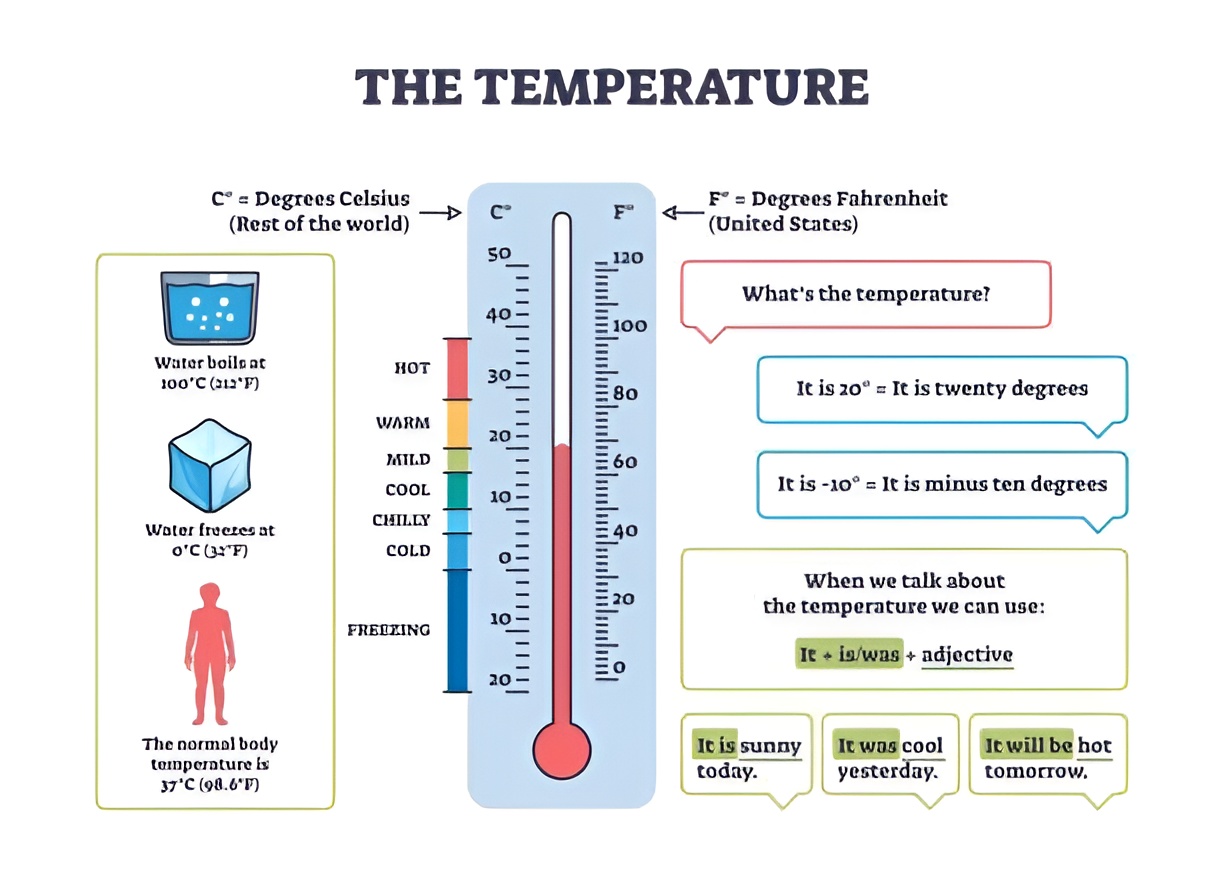
It just helps you translate numbers into something your brain understands, fast enough that you don’t break your rhythm. An infographic comparing Celsius, Fahrenheit, and Kelvin temperature scales with key reference points.
The Three Major Temperature Scales Explained
Temperature scales didn’t appear randomly. Each came from a different need, a different way of observing the world. They overlap, they clash, and somehow we still use all three. Knowing what they represent makes conversion feel less mechanical and more intuitive.
H3 Celsius (°C)
Celsius is built around water, which makes it feel grounded and practical. Zero means freezing. One hundred means boiling. That simplicity is why most countries lean on it for daily weather, school science, and general use. When paired with tools like a Temperature Calculator, it becomes even easier to jump between systems without stopping to think.
H3 Fahrenheit (°F)
Fahrenheit feels more granular. The numbers spread out, giving weather forecasts a different texture. A few degrees can feel like a meaningful shift. It’s still the everyday standard in the U.S., especially for cooking and climate talk, even if it confuses everyone else at first glance.
H3 Kelvin (K)
Kelvin steps away from daily life and into fundamentals. No negatives. No “freezing point” of water. Zero Kelvin is absolute zero, where motion itself bottoms out. Scientists rely on it because it strips temperature down to pure physics, no human comfort involved.
Why You Need a Reliable Temperature Converter
Temperature mistakes aren’t always dramatic, but they add up. You misread a forecast and overdress. You miss-converter an oven setting and ruin dinner. In technical fields, the margin for error gets even thinner. Just like an Age calculator removes guesswork from dates, a solid temperature converter removes doubt from numbers that actually matter.
How Our Temperature Converter Works
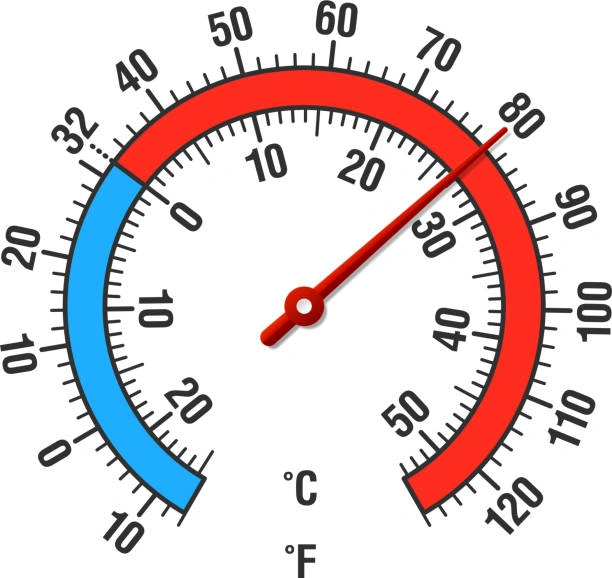
The best tools disappear into the background. You enter a value, choose units, and move on. No formulas cluttering your head. No mental math slowing you down. It’s the kind of simplicity you only notice when it’s missing.
Temperature in Everyday Decisions
Temperature influences more than comfort. It affects food safety, energy use, travel timing, even health. Knowing what a number really means helps you make better calls without overthinking them. Numbers gain context. Context leads to better choices.
Conclusion: Master the Climate with Confidence
Temperature doesn’t need to be a guessing game. Once you understand the scales and how they relate, the numbers stop feeling abstract. Whether you’re checking the forecast, adjusting a recipe, or reading global data, clarity makes everything smoother. Much like a BMI Calculator puts health numbers into perspective, a temperature converter turns raw values into something you can actually use.
FAQs About Measurement Temperature Converter Guide
What is a temperature converter?
A temperature converter is a tool that converts values between temperature scales like Celsius, Fahrenheit, and Kelvin. It helps compare temperatures used in weather, science, and daily life.
How do I convert Celsius to Fahrenheit?
To convert Celsius to Fahrenheit, multiply the Celsius value by 9/5 and then add 32. A temperature converter applies this formula automatically.
What is the difference between Celsius, Fahrenheit, and Kelvin?
Celsius is commonly used worldwide for weather and daily use, Fahrenheit is mainly used in the United States, and Kelvin is used in scientific measurements.
Why is Kelvin used in science?
Kelvin is used because it starts at absolute zero, making it ideal for scientific calculations that involve energy and thermodynamics.
Is a temperature converter accurate?
A temperature converter is accurate because it uses exact formulas between scales. Small differences usually come from rounding decimal values.
When should I use a temperature converter?
You should use a temperature converter when checking international weather reports, studying physics or chemistry, cooking with foreign recipes, or handling technical data.