It’s a weird feeling when your BMI looks high means it lands in a higher range even though you train hard, eat decently, and feel strong in your own body. You plug your numbers into a calculator, get a result, and suddenly doubt creeps in. Tools like calculator pro make it easy to run the numbers, but the number itself doesn’t always tell the whole story. Fitness isn’t just weight divided by height, no matter how official that formula looks.
Understanding BMI the Right Way
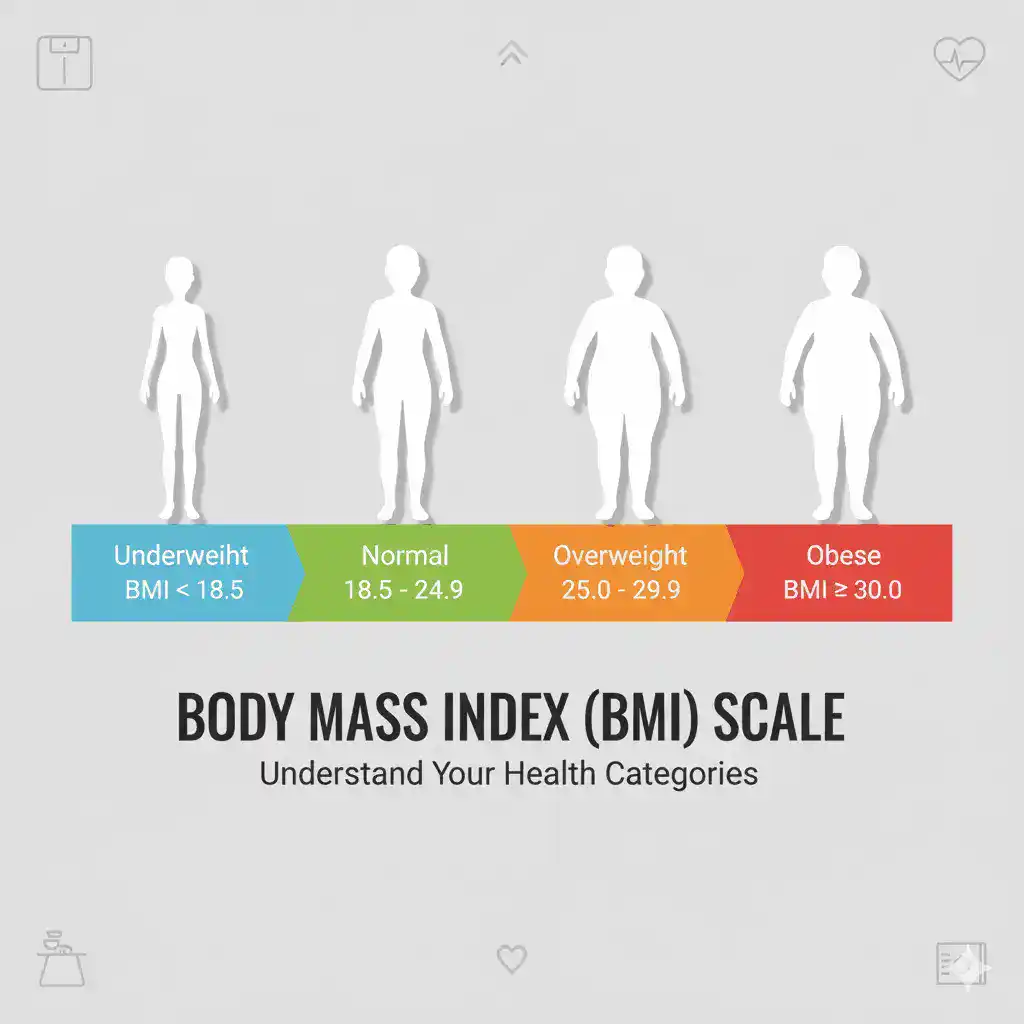
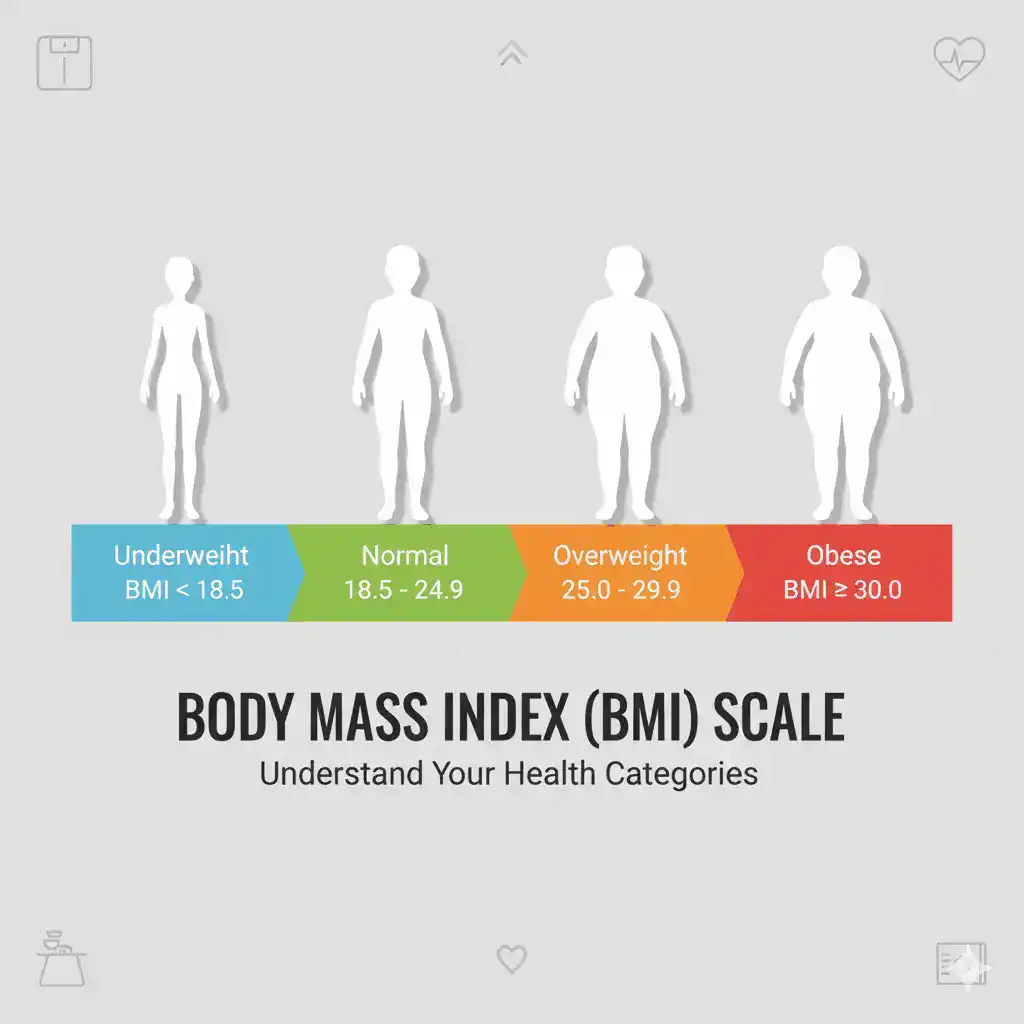
BMI loog high when it was never meant to be personal. It’s a broad estimate, built for population-level trends, not individual bodies with history, habits, and muscle tone. A standard BMI looks high scale can flag potential risk, but it can’t see what your weight is actually made of. Even gender-based tools like BMI calculators for men or women still work off the same basic idea, and that idea has limits. Knowing those limits changes how you read the result.
1. Muscle Weighs More Than Fat
This is the classic reason, and it’s still true. Muscle is dense. It packs more weight into less space. If you lift, sprint, or train consistently, your scale weight goes up even as your body fat drops. BMI doesn’t care why the weight is there. It just counts it. It’s a bit like using a Color Converter and expecting it to explain the emotion behind a color. The context matters, but the tool can’t see it.
2. BMI Doesn’t Measure Body Composition
BMI can’t separate muscle from fat, water, or bone density. Two people can share the same height and weight and look completely different. One might carry excess fat, the other mostly lean mass. BMI treats them the same. That’s where confusion starts, especially for people who train regularly and expect the number to reflect that effort.
3. Gender Differences Affect Results
Men and women store weight differently by default. Hormones, muscle distribution, and fat storage patterns all play a role. Gender-specific BMI calculators try to narrow the gap, but they still rely on averages. If your body doesn’t behave like the average chart expects, your result can look off even when your health markers are solid.
4. BMI Doesn’t Consider Waist Size
Where weight sits on your body often matters more than how much of it there is. Waist circumference is closely tied to metabolic risk, sometimes more than BMI itself. Someone can have a slightly high BMI and still be metabolically healthy if their waist stays within a safe range. Looking only at BMI without other context is like checking age with an Age calculator and assuming it explains maturity or health on its own.

5. Height-to-Weight Ratios Can Mislead
BMI tends to punish certain body types. Shorter, stockier builds often score higher even when they’re fit. Taller people sometimes get a pass despite carrying more fat. It’s a math issue, not a health judgment, but it can still mess with your head if you don’t know that bias exists.
6. Body Fat Distribution Matters
Not all fat behaves the same way. Fat stored around internal organs carries more risk than fat stored in hips or thighs. BMI can’t see that difference. Someone with a “normal” BMI may still have unhealthy fat distribution, while someone with a higher BMI may not. This is why BMI alone shouldn’t replace tools like a BMI Calculator paired with real-world health indicators.
7. Athletic Training Patterns Skew Results
Strength training, sports, and high-volume workouts often push body weight up over time. That doesn’t mean something is wrong. Many athletes technically fall into the overweight category by BMI standards while having strong hearts, low resting heart rates, and excellent endurance. The label doesn’t match the reality.

Conclusion
A high BMI isn’t automatically a warning sign. It’s a rough estimate, nothing more. BMI tools can be useful for spotting trends, but they don’t measure fitness, strength, or how well your body actually works. Once you understand what BMI can’t see, the number loses some of its power to confuse or discourage you.
FAQs About BMI Looks High
Why does my BMI look high even though I feel healthy?
BMI only uses height and weight. It doesn’t account for muscle mass, bone density, or body composition, so people with more muscle often see a higher BMI despite being healthy.
Does a high BMI always mean I’m overweight?
No. A high BMI doesn’t always mean excess body fat. Athletes, physically active people, and those with higher muscle mass can fall into higher BMI ranges without health issues.
Can BMI be misleading for certain body types?
Yes. BMI can be misleading for muscular individuals, older adults, and people with naturally larger or smaller frames. It’s a general screening tool, not a diagnosis.
Should I worry if my BMI looks high?
A high BMI is a signal to look closer, not panic. It’s best viewed alongside other factors like waist size, activity level, diet, and medical advice.
Why does BMI look different for people of the same weight?
Height plays a big role in BMI. Two people with the same weight but different heights can have very different BMI values, which changes how “high” it looks.
What should I check besides BMI?
Other indicators like waist-to-height ratio, body fat percentage, fitness level, and blood markers often give a clearer picture of overall health than BMI alone.