Body weight is one of those things people keep checking at different stages of life. A number on a scale feels simple, but once you try to understand what that number means, things get layered. That’s where tools like a Health bmi calculator come in. They take height and weight and turn them into something called body mass index.
People often assume the result tells the whole story. It doesn’t always feel that clear, especially when age comes into the picture. A teenager, an adult, and an older person can have the same BMI value but very different body composition. That’s why the question keeps coming up: does age really change how BMI should be understood?
Table of Contents
Does Age Affect BMI Calculator
The short answer is yes, but not in the way most people expect. The calculation itself does not change with age. The BMI formula remains the same whether someone is 18 or 60. It still uses height and weight to calculate body mass index.
Where age matters is interpretation. The same number can mean different things depending on life stage. A BMI that falls within a healthy BMI range for an adult might not be appropriate for a child or an older adult. This is why discussions around Does Age Affect BMI Calculator often lead to confusion. The tool itself stays constant, but the meaning behind the number shifts.
Here’s a simple comparison:
| Age Group | BMI Use | Interpretation |
|---|---|---|
| Children | Adjusted by age and gender | Compared using growth charts |
| Adults | Fixed BMI categories | Standard ranges apply |
| Older adults | Same formula | Context matters more |
So when people ask if age affects BMI calculation accuracy, they are usually noticing differences in how results are interpreted, not calculated.
Understanding what BMI really measures
BMI is often treated like a direct measure of health, but it is actually a rough estimate. It does not measure fat directly. Instead, it gives a ratio of weight to height.
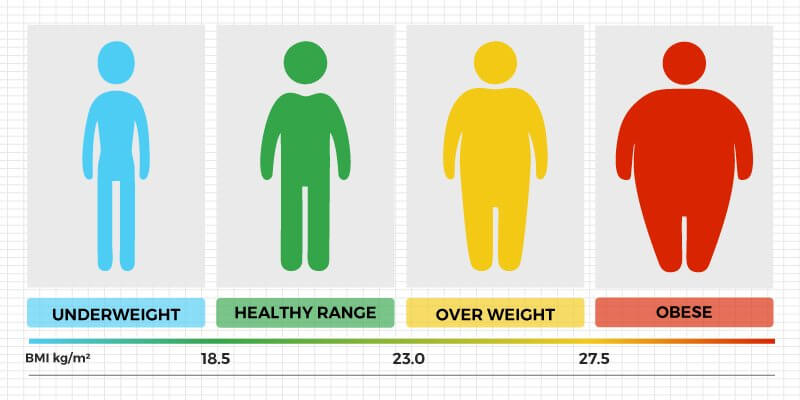
The body mass index works well for general population trends. It helps identify whether someone may fall into underweight, normal, overweight, or obese groups.
The formula itself looks like this:
| Measurement System | BMI Formula |
|---|---|
| Metric | weight (kg) / height² (m²) |
| Imperial | (weight (lb) / height² (in²)) × 703 |
These numbers form the basis of most weight health calculator tools available online.
People often compare changes in weight or BMI over time. For that, tools like a percentage calculator help show how much change has occurred between two measurements.
BMI by age: why it feels different
When looking at BMI by age, the biggest difference appears in children and teenagers. Their bodies are still growing, so fixed BMI ranges do not apply the same way they do for adults.
Instead of a single BMI chart, children use percentile charts. These compare a child’s BMI to others of the same age and gender.
| Percentile Range | Meaning |
|---|---|
| Below 5th | Underweight |
| 5th–85th | Healthy range |
| 85th–95th | Overweight |
| Above 95th | Obese |
Adults, in contrast, use fixed BMI categories. This difference alone explains why age and BMI are often discussed together.
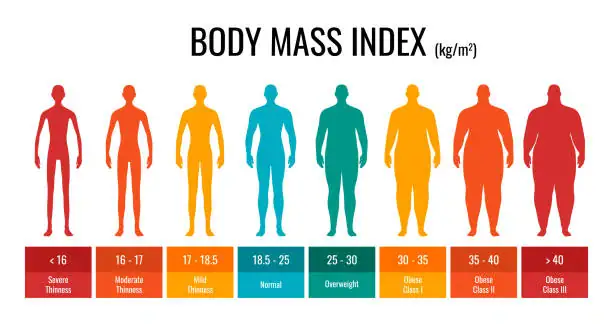
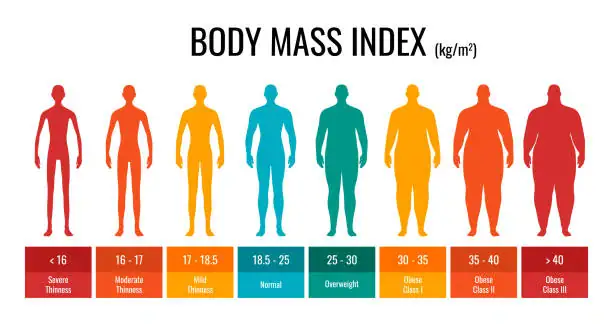
The standard BMI categories for adults
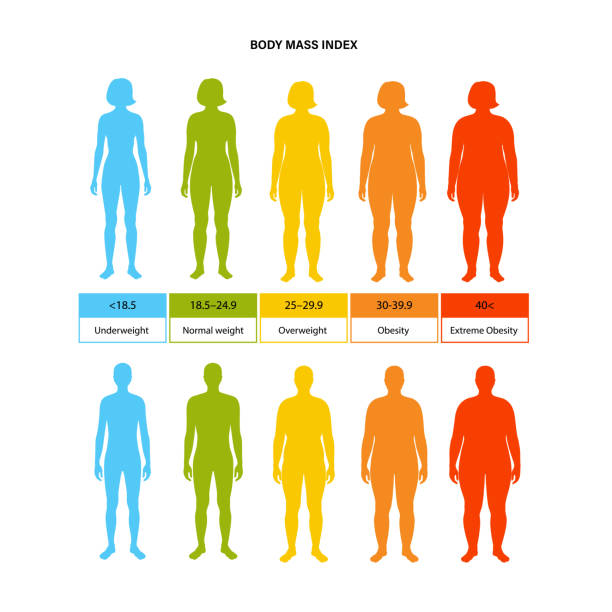
Adults follow a simple classification system. It does not change based on age, gender, or ethnicity, which is one reason it sometimes feels limited.
| BMI Value | Category |
|---|---|
| Below 18.5 | Underweight |
| 18.5 – 24.9 | Healthy BMI range |
| 25 – 29.9 | Overweight |
| 30 and above | Obese |
These categories help identify general health risks, though they do not account for muscle mass or fat distribution.
This is where the idea of ideal body weight sometimes overlaps with BMI. People use both to estimate what a healthy body might look like, even though neither is perfect on its own.
Why age matters more than the formula suggests
The formula stays the same, yet the body changes with age. Muscle mass, bone density, and fat distribution all shift over time.
A younger adult may carry more muscle, which can raise BMI without indicating poor health. An older adult may have less muscle but more body fat, even if BMI appears normal.
That’s why people questioning Does Age Affect BMI Calculator are often sensing something real. The number itself does not adjust, but the body behind that number changes.
Time also plays a role in how often measurements are taken. For people tracking changes across years or across different regions, even tools like a timezone converter become part of organising health data, though indirectly.
BMI and children: a different system entirely
Children’s BMI cannot be treated the same way as adults. Growth patterns vary widely, and development happens in stages. A BMI chart for children considers age and gender because growth rates differ between boys and girls.
For example:
| Age | Typical BMI Variation |
|---|---|
| Early childhood | Rapid changes |
| Pre-teen years | Gradual increase |
| Teenage years | Growth spurts |
This is why BMI by age becomes essential when assessing younger individuals. The interpretation changes year by year, not just decade by decade.
How aging affects body composition
As people grow older, their bodies naturally change. Muscle mass tends to decrease, and fat percentage may increase even without major weight gain. This shift affects how body mass index reflects health.
An older adult with a “normal” BMI might still have higher fat levels than expected. At the same time, a slightly higher BMI in older age is not always a concern.
Tracking age accurately becomes important when evaluating these patterns. Tools like an age calculator help maintain consistent records when comparing data over time.
Limitations of BMI across different ages
BMI has always been a general indicator, not a precise measurement. Its limitations become more noticeable when age is considered.
Here are a few common issues:
| Limitation | Explanation |
|---|---|
| Does not measure fat directly | Only estimates based on weight and height |
| Ignores muscle mass | Athletes may appear overweight |
| Does not adjust for aging | Same scale used for all adults |
These limitations are why some people question whether BMI alone is enough for health assessment.
Sometimes, additional tools or comparisons are used alongside BMI. For instance, when analyzing physical performance or calorie usage, tools like an energy converter may come into play in broader health tracking.
Does age affect BMI calculation accuracy
The phrase “does age affect BMI calculation accuracy” often appears in search queries. The answer depends on what “accuracy” means in this context. The calculation itself is accurate. The formula does not change. What changes is how well that number reflects actual health.
For children, accuracy depends on using the correct percentile chart. For adults, it depends on understanding body composition. For older individuals, context matters even more. This is why Does Age Affect BMI Calculator becomes less about math and more about interpretation.
Comparing BMI across life stages
Looking at BMI across different ages highlights how the same number can tell different stories.
| Life Stage | BMI Meaning |
|---|---|
| Childhood | Compared to peers using percentiles |
| Early adulthood | Standard categories apply |
| Middle age | May reflect lifestyle patterns |
| Older age | Needs context with muscle and fat changes |
These differences show why age and BMI cannot be separated when discussing health.
Healthy BMI range: does it shift with age?
Officially, the healthy BMI range for adults stays the same. Yet in practice, doctors sometimes interpret results differently for older adults. A slightly higher BMI in later life may not carry the same risks as it does in younger years. In some cases, being slightly above the standard range is considered acceptable.
This is another reason why people feel the answer to Does Age Affect BMI Calculator is not straightforward.
BMI and ideal body weight over time
The idea of ideal body weight often changes with age as well. What feels comfortable and sustainable at one stage of life may not feel the same later.
BMI offers a guideline, but personal factors matter too. Lifestyle, activity level, and overall health all influence how weight should be evaluated. A number alone rarely tells the full story.
Why people still rely on BMI
Despite its limitations, BMI remains widely used. It is simple, quick, and requires only two inputs. For large populations, it helps identify general trends. It also provides a starting point for deeper health assessments. That’s why weight health calculator tools continue to use BMI as a base measurement.
Looking at the bigger picture
When people ask whether age affects BMI, they are often trying to understand their own health in a more personal way. BMI gives a number. Age gives context. Together, they create a clearer picture, even if it is still incomplete. The key is not to treat BMI as a final answer. It works better as a starting point, something that leads to further questions about health, lifestyle, and long-term habits.
Final thoughts on BMI and age
The calculation behind BMI stays fixed. Height and weight go in, and a number comes out. That part never changes. What changes is everything around it. The body grows, adapts, and shifts over time. That is where age becomes important.
So when thinking about Does Age Affect BMI Calculator, it helps to separate two ideas. The formula remains constant. The meaning evolves. Understanding that difference makes BMI easier to interpret, and a bit less confusing when the same number seems to tell different stories at different stages of life.