Understanding how our bodies age is more than just counting birthdays. While your chronological age is the number of years since birth, your biological age reflects how well your body functions compared to your actual years. People often wonder how healthy habits, stress, and genetics influence this number. Tools like the bmi calculator can be a first step in understanding overall health, but biological age goes deeper. It evaluates markers across the body, giving insight into long-term wellness rather than just calendar time.
Many experts highlight that knowing your biological age helps guide lifestyle choices. Two people with the same chronological age might have vastly different biological ages depending on diet, activity levels, sleep, and even mental health. Tracking this over time can reveal how changes in daily routines impact aging at the cellular level.
Table of Contents
How Can I Calculate My Biological Age?
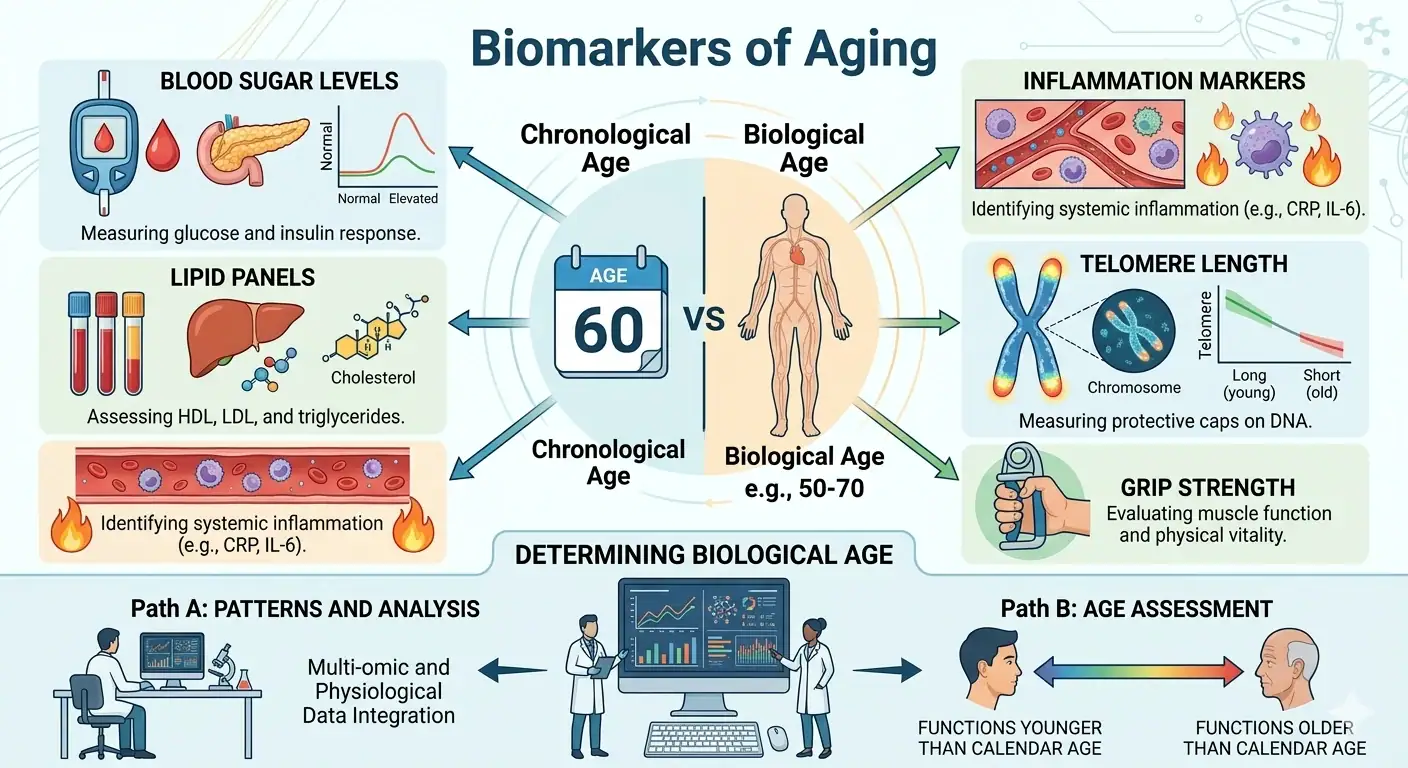
When asking how can i calculate my biological age, it’s useful to understand the difference between chronological and biological measures. Chronological age is fixed; it only increases as days pass. Biological age, on the other hand, can shift. Factors like cardiovascular health, muscle strength, and metabolic function contribute to this assessment. Scientists often use biomarkers of aging measurable indicators such as blood pressure, cholesterol levels, and hormone profiles to quantify biological age.
A simple approach involves using an age calculator that incorporates basic health data. Some calculators require inputs like weight, height, blood pressure, and lifestyle details. Others go further, integrating lab results, fitness measurements, and cognitive tests. In some cases, online percentage calculator tools are used to quantify improvements or declines in key health metrics. These can provide a quick estimate of how your body compares to peers of the same chronological age.
Chronological age vs biological age
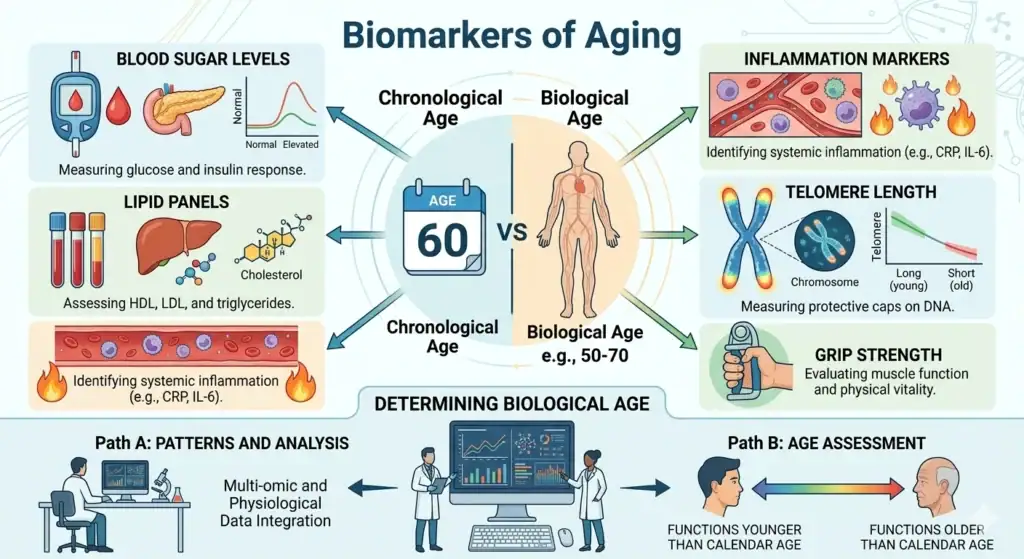
Understanding the difference between chronological age vs biological age is central to answering the question of how can i calculate my biological age. Chronological age is straightforward—years lived. Biological age represents physiological condition, essentially how “old” your body really is. A 45-year-old who exercises daily and eats well might have the biological age of someone in their mid-30s, while someone with unhealthy habits may biologically appear older.
Research shows that biological age correlates with long-term health outcomes. People whose biological age exceeds their chronological age may have higher risks for heart disease, diabetes, and cognitive decline. Tools like timezone converter apps, while not directly related to aging, remind us how managing time zones and schedules affects stress levels, which in turn can influence biological aging. Stress hormones like cortisol accelerate cellular aging if chronically elevated.
Biomarkers of aging and how they matter
Biomarkers of aging are specific measurements used to assess the body’s functional age. Common biomarkers include blood sugar levels, lipid panels, inflammation markers, telomere length, and even grip strength. Scientists examine patterns in these biomarkers to determine whether your biological systems are functioning younger or older than your calendar age.
Tracking biomarkers over time allows for personalized interventions. Lifestyle changes like improved nutrition, increased physical activity, and better sleep can gradually lower biological age readings. Some advanced assessments combine multiple biomarkers into a composite score, providing a more nuanced view than any single measurement.
Calculate biological age with tests
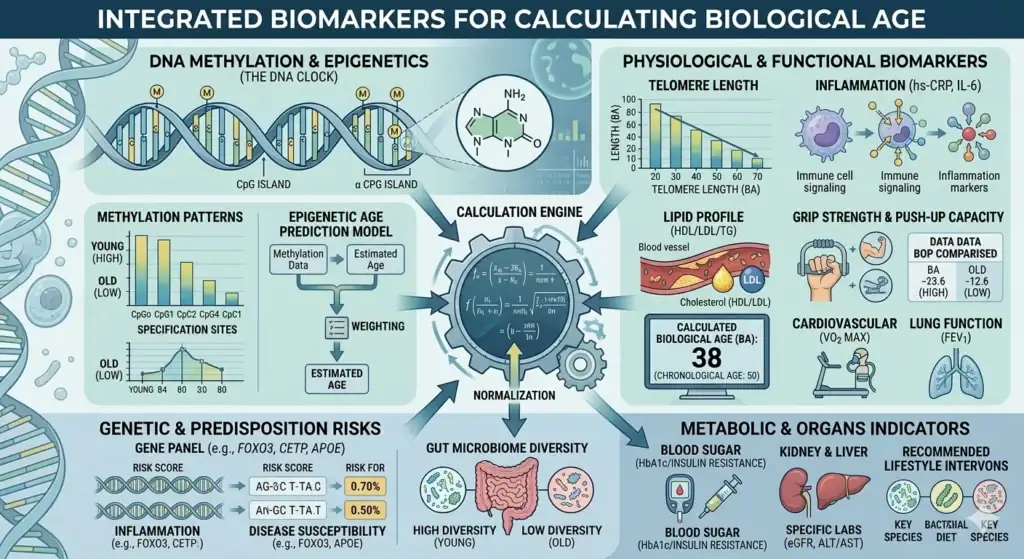
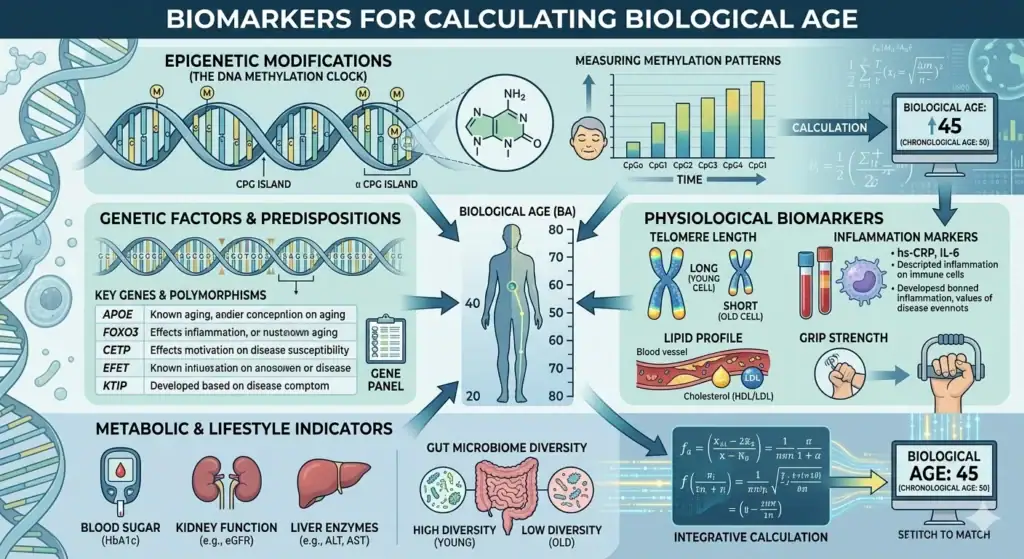
To calculate biological age, there are multiple methods. Some people start with online calculators that require inputting basic data, while others opt for comprehensive biological age tests offered by clinics or wellness centers. Tests often examine DNA methylation patterns, blood chemistry, and physical performance indicators. The data is then used to estimate the body’s “real” age relative to chronological years.
For those tracking progress at home, a combination of health measurements and online tools can be useful. For example, you might record blood pressure, resting heart rate, weight, and activity levels, then input these metrics into a longevity calculator or body age test. Changes over months or years provide feedback on whether your lifestyle is positively affecting biological aging.
Lifestyle factors that influence biological age
How one lives directly affects the aging process. Exercise, diet, mental health, and sleep quality all contribute to healthy aging. Aerobic fitness improves cardiovascular health, while strength training supports muscle retention and metabolic function. Nutrition influences inflammation and oxidative stress, both key players in cellular aging. Tools like length converter or calorie tracking apps can help maintain consistency and measure daily inputs, which indirectly contribute to managing biological age.
Sleep patterns are another vital factor. Chronic sleep deprivation accelerates biological aging by affecting hormone balance and cellular repair. Similarly, stress management techniques such as mindfulness and meditation reduce cortisol levels, contributing to a younger physiological profile.
Genetics and epigenetics
While lifestyle plays a big role, genetics also influence how can i calculate my biological age. DNA predispositions affect cholesterol metabolism, inflammation, and susceptibility to chronic illnesses. Epigenetic modifications—chemical changes to DNA caused by environmental and lifestyle factors also impact biological aging.
Researchers have developed sophisticated models that combine genetic and epigenetic data to provide more accurate biological age estimations. These models often incorporate number base converter-style calculations behind the scenes to normalize data across multiple scales and biomarkers.
Tracking progress over time
Once you know your biological age, tracking changes is critical. Repeated assessments allow you to see whether interventions like diet, exercise, or stress reduction are effective. Many wellness apps include features for logging health metrics, providing charts, and calculating trends over time.
You might measure your biological age quarterly or semi-annually to observe meaningful shifts. This approach aligns with using tools like timezone converter or length converter, where precise, consistent measurements are necessary to compare over periods. The goal is to make incremental improvements rather than seeking instant transformations.
Tables and visual representation
Visualizing biological age data can help you understand your progress. Tables often break down measurements into categories: cardiovascular, metabolic, muscular, cognitive, and lifestyle. Here’s an example layout:
| Category | Measurement | Score | Comparison to Chronological Age |
|---|---|---|---|
| Cardiovascular | Resting HR | 70 bpm | -2 years |
| Metabolic | Blood sugar | 95 mg/dL | 0 years |
| Muscular | Grip strength | 30 kg | -1 year |
| Cognitive | Memory test | 85% | -1 year |
| Lifestyle | Sleep hours | 7 hrs | 0 years |
This type of table allows you to see which areas need focus to reduce your biological age.
Using technology to assist calculations
Apps and online tools simplify calculate biological age procedures. Some platforms integrate wearable devices that track heart rate, sleep, and activity. Others use questionnaires and lab results to compute age. Using technology ensures consistent monitoring and can highlight correlations between lifestyle habits and aging.
Even simple tools like the percentage calculator for dietary intake or exercise progress complement the overall biological age assessment by helping you quantify improvements.
How stress and environment affect biological age
Environmental factors and chronic stress significantly influence the aging process. Pollution, poor air quality, and exposure to toxins accelerate cellular damage, while stress hormones like cortisol hasten wear and tear on organs. Regular stress management, mindful living, and avoiding environmental hazards can reduce biological age.
Monitoring these effects often requires careful record-keeping, much like using a bmi calculator or length converter to ensure accurate tracking of physical parameters over time.
Interpreting results
Understanding your results requires context. A biological age slightly higher than chronological age may reflect temporary stress or lifestyle factors that can be corrected. Significant deviations indicate areas requiring medical attention, lifestyle adjustments, or specialized guidance.
Healthcare professionals can help interpret these findings, suggesting dietary changes, exercise plans, or preventive interventions to align biological age closer to chronological age.
Integrating physical and mental health
Mental well-being plays a crucial role in biological aging. Cognitive decline, chronic anxiety, or depression can accelerate cellular aging. Combining mental health strategies with physical health tracking provides a more accurate estimate of biological age.
Tracking cognitive performance through memory exercises or problem-solving challenges complements physical measurements. Wearable devices and apps make it easier to measure both mental and physical progress.
Advanced testing methods
Beyond basic biomarker checks, advanced methods like telomere length measurement and DNA methylation clocks provide precise estimates. Telomeres, the protective caps on chromosomes, naturally shorten with age, and their length serves as a biological clock. DNA methylation patterns, influenced by environment and lifestyle, provide a sophisticated metric for aging.
These advanced tests are often integrated into commercial biological age test services or lab assessments. Results can guide personalized interventions and track longitudinal changes effectively.
Lifestyle recommendations to lower biological age
- Improving biological age requires consistent actions:
- Exercise regularly: Combines cardio, strength, and flexibility training.
- Balanced diet: Emphasize whole foods, antioxidants, and reduce processed items.
- Adequate sleep: Aim for 7–9 hours nightly to allow cellular repair.
- Stress management: Meditation, mindfulness, and recreational activities.
- Regular check-ups: Track biomarkers and adjust interventions.
- Using tools like timezone converter and length converter ensures structured routines and precise measurement of progress.
Conclusion
Knowing how can i calculate my biological age provides a powerful insight into health beyond the calendar. By combining lifestyle analysis, biomarker tracking, and advanced testing, individuals can understand their true physiological age and take proactive steps toward healthier aging. Whether using simple calculators or advanced lab tests, consistent monitoring and conscious lifestyle choices make a real difference in long-term wellness. Biological age isn’t just a number it’s a reflection of daily habits, genetics, and environment interacting over time.
By understanding your body through measurements, tracking, and targeted interventions, you can align biological age closer to your desired health outcomes and enjoy more productive, vibrant years ahead.