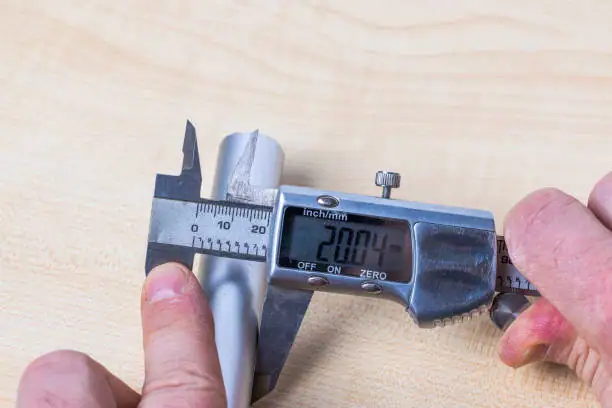
When working with circles, one question keeps appearing in classrooms, workshops, and even everyday calculations: how a simple measurement like diameter can turn into a usable length. The idea sounds simple at first, but the moment someone tries to calculate the edge of a pipe, a wheel, or a circular object, confusion appears. Converting circle measurements involves understanding how the diameter relates to the total distance around the circle. Well, lets find How do you Convert Diameter to Length easily.

People run into this situation in many practical places. Engineers calculate pipe sizes, carpenters measure round tables, and students solve geometry problems. Even simple measurement tools online, like a bmi calculator guide, show how numbers change when one value is transformed into another. The same thinking applies when someone works with circle geometry and tries to convert a diameter into a usable length.
The concept becomes easier once you understand the relationship between radius, diameter, and circumference. Those three measurements define the structure of a circle. Once that connection becomes clear, the calculation becomes almost mechanical.
Table of Contents
How do you convert diameter to length
The question how do you convert diameter to length usually refers to finding the circumference of a circle using its diameter. The circumference represents the total length around a circle’s edge. It is the most common meaning of “length” in circular measurements. The relationship comes from a simple geometry formula:
Circumference = π × Diameter
In other words, when someone wants to convert diameter to length, they multiply the diameter by the constant π (pi), which is approximately 3.1416.
For example:
| Diameter | Calculation | Circumference (Length) |
|---|---|---|
| 5 cm | 5 × 3.1416 | 15.708 cm |
| 10 cm | 10 × 3.1416 | 31.416 cm |
| 20 cm | 20 × 3.1416 | 62.832 cm |
This relationship forms the basis of most circle measurements. The diameter formula works consistently across all circle sizes.
Understanding this relationship also explains why diameter matters so much in geometry formulas. The diameter is the widest possible distance across the circle, passing through its center. Once that value is known, the rest of the circle measurements become easier to determine.
Understanding diameter, radius, and circle structure
Before diving deeper into diameter to length conversions, it helps to look at the structure of a circle itself. A circle has three major measurements that define it: radius, diameter, and circumference. The radius measures the distance from the center of the circle to its edge. The diameter is simply twice the radius because it stretches from one edge to the other through the center point.
That relationship can be written simply:
Diameter = 2 × Radius
Once someone knows either the radius or the diameter, calculating the circle’s circumference becomes straightforward. These relationships appear repeatedly in geometry formulas and engineering calculations. When working with circle measurements, understanding radius and diameter removes much of the guesswork.
Many students practicing calculations sometimes check their work with tools such as a percentage calculator to verify proportional relationships when converting measurements.
Why diameter matters in circle measurements
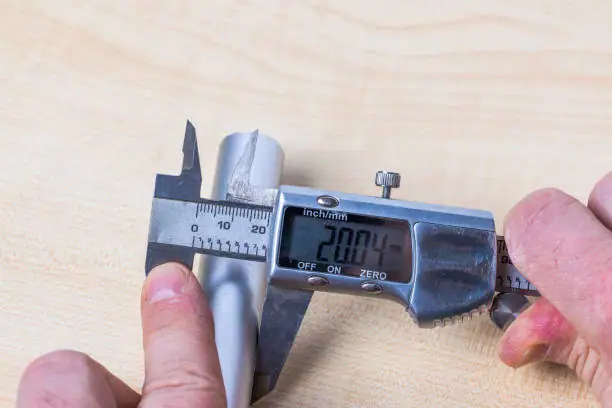
Diameter holds a special place in circle geometry. While the radius describes the circle’s internal structure, the diameter gives the largest possible straight measurement across the circle.
Because of that, many engineering calculations rely on diameter rather than radius. Pipe sizes, wheel dimensions, and circular machine parts are often described using diameter values.
The reason is practical. Measuring a diameter directly is usually easier than measuring a radius, especially in large objects. Once the diameter calculation is known, other measurements like circumference or area follow quickly. Here is a quick overview of circle relationships:
| Measurement | Formula |
|---|---|
| Diameter | 2 × Radius |
| Radius | Diameter ÷ 2 |
| Circumference | π × Diameter |
| Area | π × Radius² |
These formulas represent the foundation of circle geometry.
The role of π in diameter to length conversion
Pi, written as π, appears everywhere in circular calculations. It represents the ratio between a circle’s circumference and its diameter. No matter how large or small the circle is, this ratio stays the same.
That constant ratio is the reason converting diameter to length works so reliably. When multiplying the diameter by π, the result always produces the correct circumference. Pi is approximately 3.1416, though mathematicians often use more digits when precision matters.
| Value | Approximation |
|---|---|
| π | 3.1415926535 |
| Rounded value | 3.1416 |
| Simple approximation | 3.14 |
Even the simplified value of 3.14 works well for many everyday calculations. Understanding π helps explain how the diameter formula connects directly to circumference.
Real world situations where diameter converts to length
Many real-world situations require converting diameter to length. A simple example involves wheels. When a bicycle wheel rotates once, it travels a distance equal to its circumference. That distance depends on the wheel’s diameter. Another example appears in construction. Circular pipes and tanks require accurate circumference measurements when calculating material needs.
In industrial settings, workers often calculate circular lengths while coordinating schedules across locations. Sometimes tools unrelated to geometry like a timezone converter are used during project planning when teams operate in different regions. The math itself remains the same regardless of the project.
Formula to calculate length from diameter
When people search for the formula to calculate length from diameter, they are usually referring to the circumference formula.
The expression looks simple:
L = π × D
Where:
- L represents the length (circumference)
- π represents the constant pi
- D represents the diameter
For example:
| Diameter | Formula | Length |
|---|---|---|
| 8 cm | π × 8 | 25.13 cm |
| 12 cm | π × 12 | 37.70 cm |
| 30 cm | π × 30 | 94.25 cm |
Once someone memorizes this formula, converting diameter to length becomes routine.
Many measurement tools also automate these calculations. Digital tools such as a length converter sometimes incorporate circle formulas alongside unit conversions.
How to calculate circle length using diameter
Calculating circle length using diameter usually follows three simple steps.
First, measure the diameter across the circle. The measurement must pass through the center point to ensure accuracy. Second, multiply that diameter by π. The multiplication converts the straight-line measurement into the curved distance around the circle. Third, check the units. If the diameter was measured in centimeters, the resulting circumference will also be in centimeters.
A quick example shows the process:
Diameter = 15 cm
Circumference = 15 × 3.1416
Result = 47.124 cm
This process represents one of the most basic geometry formulas used in mathematics. Some students exploring math tools may also encounter utilities such as a number base converter, which transform numbers between binary, decimal, or hexadecimal systems. Though unrelated to circle geometry, they illustrate how many forms numerical conversions can take.

Common mistakes when converting diameter to length
Despite the simplicity of the formula, a few mistakes appear frequently. One common error involves confusing diameter with radius. If someone accidentally multiplies the radius by π instead of the diameter, the circumference will be half of the correct value.
Another mistake happens when people forget to include π in the calculation. Multiplying the diameter by a random constant produces incorrect results. Unit consistency also matters. Mixing centimetres with meters or inches without converting units creates errors. Here is a small comparison showing correct vs incorrect results:
| Diameter | Correct Length | Common Error |
|---|---|---|
| 10 cm | 31.416 cm | 15.708 cm |
| 12 cm | 37.699 cm | 18.850 cm |
The incorrect results appear when someone mistakenly uses radius instead of diameter.
Diameter to circumference formula explained
The diameter to circumference formula comes from the mathematical definition of π itself. Pi represents the ratio between circumference and diameter. That means:
π = Circumference ÷ Diameter
Rearranging the equation produces the familiar formula:
Circumference = π × Diameter
This relationship has been known for thousands of years. Ancient mathematicians studied circular measurements long before modern geometry developed. Despite centuries of mathematical advancement, the same formula remains at the heart of circle geometry.
Circle geometry in everyday measurements
Circle geometry appears in more places than people usually notice. Wheels, pipes, lids, plates, tanks, and gears all depend on circular measurements.
When someone measures a round object, diameter is usually the first value recorded. From there, other values can be derived using geometry formulas.
For instance:
| Object | Typical Measurement Used |
|---|---|
| Bicycle wheel | Diameter |
| Pipe | Diameter |
| Coin | Diameter |
| Table | Diameter |
| Tank lid | Diameter |
Once that measurement exists, calculating circumference becomes straightforward. This is why understanding how to convert diameter to length remains useful beyond the classroom.
Why the diameter formula stays consistent
One interesting property of circles is consistency. Regardless of size, every circle follows the same mathematical rules. A tiny coin and a giant water tank both obey the same circumference formula. The diameter may change, but π remains constant.
This predictability is why circle calculations appear in physics, engineering, architecture, and manufacturing. When someone learns how diameter, radius, and circumference relate to one another, they gain a reliable tool for many real-world problems.
Understanding measurement conversion in geometry
Geometry often relies on measurement conversion. Sometimes a problem provides the diameter but asks for circumference. Other times it provides radius or area.
The ability to move between these measurements is part of understanding circle relationships. Here is a small reference chart showing common conversions:
| Known Value | Formula Used |
|---|---|
| Radius | Diameter = 2 × Radius |
| Diameter | Circumference = π × Diameter |
| Circumference | Diameter = Circumference ÷ π |
| Radius | Area = π × Radius² |
Each conversion connects to another measurement within the circle.
Practical examples of diameter calculations
Looking at real examples helps reinforce the concept. Imagine a circular garden bed with a diameter of 6 meters. To calculate the fence length required around it:
Circumference = π × 6
Result = 18.85 meters
Another example involves a wheel with a diameter of 70 cm.
Circumference = π × 70
Result = 219.91 cm
Each rotation of that wheel moves the vehicle forward approximately 2.2 meters. These simple calculations explain why engineers and mechanics frequently rely on diameter measurements.
Final thoughts
Understanding how do you convert diameter to length becomes much easier once the relationship between diameter and circumference is clear. The key lies in the simple formula: multiply the diameter by π. From small classroom exercises to large engineering projects, this relationship stays consistent. Circle geometry may seem abstract at first, but its formulas appear everywhere in real life.
Once someone becomes comfortable with the diameter formula, calculating circular lengths feels almost automatic. The mathematics behind it remains one of the most reliable and widely used ideas in geometry.