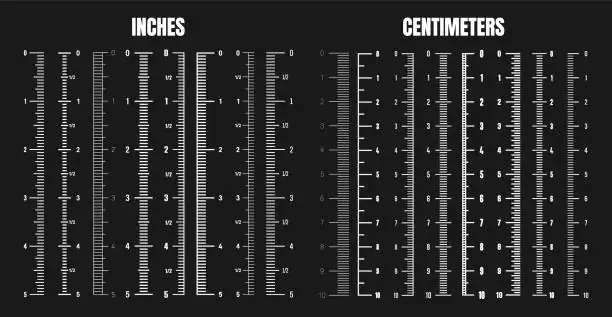
Ever found yourself squinting at instructions, wondering why a table is measured in centimetres when your tape shows inches? It happens more than people admit. In measurement Length Converter Guide, Length units sneak into daily life through shopping, travel, and random projects that weren’t supposed to be complicated. That’s where something like calculator pro quietly earns its place.
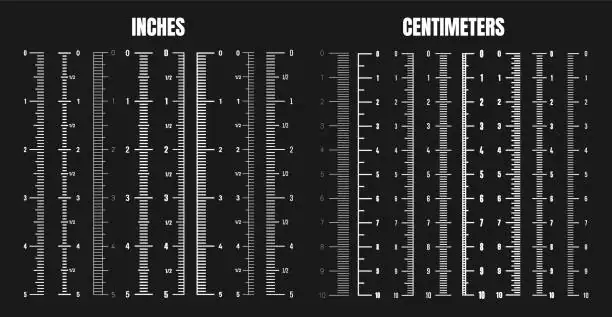
It doesn’t change how measurements work, it just makes them easier to live with, especially when units don’t match your instincts. An infographic comparing metric and imperial units of length like inches and centimeters.
Why Mastering Length Conversion is a Life Skill
Length conversion isn’t some technical skill reserved for classrooms. It’s practical, sometimes frustrating, and often unavoidable. One wrong conversion can turn a simple task into wasted money or wasted time. Knowing how distance translates across systems gives you confidence. You stop guessing. You stop rounding “close enough.” Things fit better. Plans make more sense. That alone makes it worth understanding.
The Two Main Systems: Metric vs. Imperial
Most confusion starts here. Two systems, both widely used, neither willing to disappear. The metric system feels clean and orderly. The imperial system feels familiar if you grew up with it. Neither is wrong. They just speak different languages. Tools that bridge the gap matter, in the same quiet way a Temperature Calculator matters when Celsius and Fahrenheit collide.
The Imperial System
Imperial units show up most often in the U.S. and in older references online. Inches handle small details. Feet step in for rooms and height. Yards appear in fabric and landscaping. Miles stretch things out for roads and travel. It’s not linear in the way metric is, which is why conversion trips people up.
The Metric System
Metric units move in clean steps. Millimeters slide into centimeters, centimeters build meters, meters turn into kilometers. It’s logical, almost calming once you get used to it. That simplicity is why most of the world sticks with it, especially in science, manufacturing, and global trade.
Putting it into Practice: Common Scenarios
Real life doesn’t announce when a conversion matters. A shelf size listed in centimeters. A road sign in kilometers. A product dimension that almost fits, but not quite. These moments add up. Having a reliable converter saves mental effort and prevents small mistakes from turning into annoying problems later.
How to Use Our Length Converter
The process itself shouldn’t demand attention. You enter a number, choose units, and move on. No formulas to remember. No charts to memorise. It’s the same reason people use an Age calculator instead of counting days manually. Accuracy without friction is the whole point.
Why Small Measurement Errors Add Up
A few millimeters here. An inch there. Individually they seem harmless. Over time, they stack into poor fits, misaligned builds, and returns that shouldn’t have happened. Understanding length conversion reduces that risk. It keeps projects tighter and expectations realistic.
Conclusion: Measure with Confidence
Measurements shouldn’t slow you down or make you second-guess decisions. Once you understand how length units relate, distance becomes clearer instead of confusing. Whether you’re measuring space, planning a route, or checking dimensions online, clarity matters. The same way a BMI Calculator gives context to numbers, a length converter gives context to distance. And that confidence carries further than you think.
FAQs AboutMeasurement Length Converter Guide
What is a measurement length converter?
A measurement length converter is a tool that converts one unit of length into another, such as meters, centimeters, inches, feet, miles, or kilometers. It helps compare measurements across different systems.
Which length units are included in a length converter?
Most length converters include metric units like millimeters, centimeters, meters, and kilometers, along with imperial units such as inches, feet, yards, and miles.
How do I convert inches to centimeters?
To convert inches to centimeters, multiply the inch value by 2.54. A measurement length converter does this instantly and avoids manual calculation.
Why are there different length measurement systems?
Different length systems developed due to historical and regional standards. The metric system became global, but some countries still use imperial units.
Is a length converter accurate for precise measurements?
A length converter is accurate because it uses fixed conversion values. Any minor difference usually comes from rounding, not the conversion itself.
When should I use a measurement length converter?
You should use a measurement length converter for construction work, education, travel planning, online shopping, or any situation involving mixed measurement units.