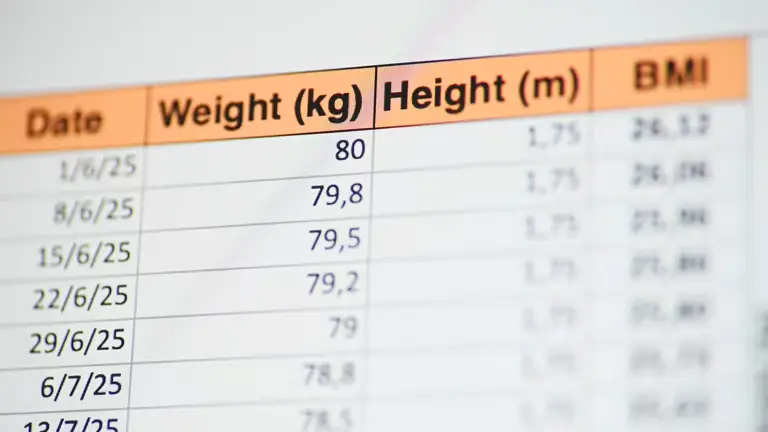
People usually start this search after hearing that Ozempic can help with weight loss. The first thing they want to check is their number. They open a bmi calculator, plug in height and weight, and stare at the result. Then comes the real question: what does your bmi have to be for ozempic?
Body mass index has become the quick screening tool for doctors when deciding who qualifies for certain weight loss medication options. It’s not perfect. It doesn’t measure muscle or fat distribution. Still, it remains the standard starting point when discussing Ozempic for weight loss and similar treatments.
What does your bmi have to be for ozempic and why it matters
So, what does your bmi have to be for ozempic in medical terms? Most providers follow guidelines similar to other FDA-approved weight management medications. The typical Ozempic BMI requirement falls into two categories:
- A body mass index of 30 or higher (obesity BMI range)
- A BMI of 27 or higher (overweight BMI) with at least one weight-related health condition
Those health conditions may include type 2 diabetes, high blood pressure, or high cholesterol. The BMI for Ozempic isn’t chosen randomly. It’s based on research linking certain BMI thresholds to increased health risks.
Here’s a simple breakdown:
| BMI Category | BMI Range | Ozempic Eligibility (General Guideline) |
|---|---|---|
| Normal weight | 18.5–24.9 | Not typically eligible |
| Overweight BMI | 25–29.9 | Possible if medical condition present |
| Obesity BMI range | 30+ | Often eligible |
This is where the minimum BMI required for Ozempic prescription usually lands: 30, or 27 with medical complications.
Understanding Body Mass Index in Real Terms
Body mass index is calculated using your weight and height. It’s a ratio, not a direct fat measurement. That distinction matters. Someone very muscular may technically fall into an overweight BMI category without having excess body fat.
If you’re unsure how your number compares, many people look up detailed guides about bmi for women or men, since body composition can vary. The formula itself doesn’t change between sexes, but fat distribution patterns do.
Doctors still use body mass index as a first filter because it’s quick and standardized. When deciding BMI for Ozempic eligibility, it provides a consistent threshold across patients. Still, BMI alone isn’t the whole story. Waist circumference, metabolic markers, and medical history also influence prescribing decisions.
Ozempic BMI Requirement and Medical Guidelines
The Ozempic BMI requirement often mirrors guidelines for chronic weight management medications containing semaglutide injection. Although Ozempic was originally approved for type 2 diabetes, its active ingredient overlaps with medications specifically labeled for weight loss.
Here’s what physicians typically consider:
| Factor | Considered for Prescription? |
|---|---|
| Body mass index | Yes |
| Type 2 diabetes | Yes |
| High blood pressure | Yes |
| High cholesterol | Yes |
| Sleep apnea | Often |
| Family history of metabolic disease | Sometimes |
So when asking what does your bmi have to be for ozempic, remember that BMI is only the starting line, not the finish.
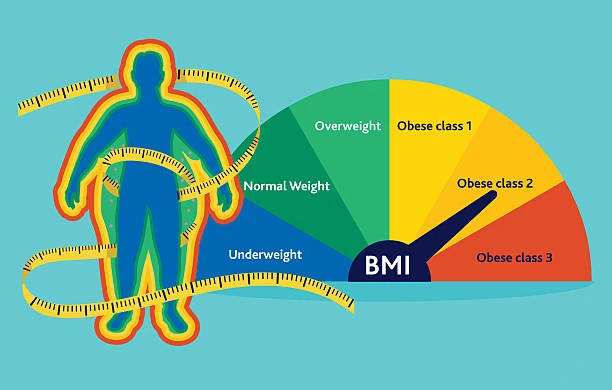
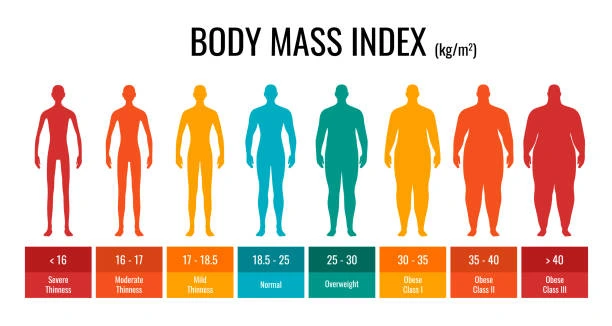
Overweight BMI vs Obesity BMI Range
The difference between overweight BMI and obesity BMI range affects eligibility significantly.
- Overweight BMI: 25–29.9
- Obesity BMI range: 30 and above
A BMI of 29.8 might feel close to 30, but medically, it’s categorized differently. That’s why doctors sometimes assess additional risk factors when someone falls into the upper end of the overweight BMI category.
Here’s another way to see it:
| BMI | Classification | Common Outcome |
|---|---|---|
| 27–29.9 with health issue | Overweight + comorbidity | Often eligible |
| 30–34.9 | Obesity Class I | Typically eligible |
| 35–39.9 | Obesity Class II | Strong candidate |
| 40+ | Obesity Class III | High medical priority |
The minimum BMI required for Ozempic prescription usually sits at 30 unless complications are present.
Why BMI Is Used for Weight Loss Medication Decisions
Some people wonder why body mass index is used at all. It’s not perfect. Still, it gives healthcare providers a measurable way to assess risk.
Medications like Ozempic for weight loss are not cosmetic prescriptions. They are intended for individuals facing metabolic or cardiovascular risk. Insurance companies also rely on BMI documentation before approving coverage.
Sometimes people research unrelated tools online, even things like a timezone converter, while trying to schedule virtual appointments with providers in different states. But no matter where the consultation happens, the BMI documentation requirement remains similar. That’s why understanding BMI for Ozempic eligibility saves time and prevents disappointment during consultations.
Ozempic for Weight Loss vs Diabetes Treatment
Ozempic was first approved for managing blood sugar in type 2 diabetes. Its weight loss effects became widely discussed later. That’s when many people without diabetes began asking what does your bmi have to be for ozempic if weight loss is the primary goal.
For diabetes patients, BMI may not be the sole determining factor. Blood glucose levels and A1C results matter more. For non-diabetic patients seeking Ozempic for weight loss, BMI thresholds become stricter.
This distinction explains why two individuals with identical body mass index values might receive different prescribing decisions.
Age, Metabolism, and BMI Considerations
Age can influence metabolism and body composition. Older adults may carry more body fat at the same BMI compared to younger individuals.
Some patients even check their metabolic stage using tools like an age calculator to understand where they fall in life stages before discussing treatment options. While that doesn’t directly change BMI for Ozempic guidelines, age-related conditions may affect eligibility. Doctors look at the whole clinical picture, not just a number from a BMI calculator.
How Doctors Calculate and Verify BMI?
BMI is calculated using this formula:
Weight (kg) ÷ Height (m²)
It sounds simple. But rounding errors can change eligibility. Some clinics calculate manually; others use digital health records.
You could even calculate BMI by converting units yourself though most people won’t use something like a number base converter for that. Still, small math errors can shift someone from 29.9 to 30.1. That difference may determine whether the Ozempic BMI requirement is met. Because of that, clinics often re-measure height and weight during visits.
Minimum BMI Required for Ozempic Prescription
Let’s state it plainly again: the minimum BMI required for Ozempic prescription is generally 30. If BMI falls between 27 and 29.9, at least one weight-related medical condition is usually required.
Here’s a quick summary table:
| Scenario | Eligible? |
|---|---|
| BMI 26, no health issues | Usually no |
| BMI 28, high blood pressure | Often yes |
| BMI 31, no other issues | Yes |
| BMI 24, type 2 diabetes | Possibly for diabetes, not weight loss |
The difference between Ozempic BMI requirement for diabetes versus weight management can be confusing. That’s why consultations matter.
Is BMI the Only Factor for Ozempic?
No. Body mass index is a screening tool. It doesn’t measure body fat percentage directly. It doesn’t account for muscle mass. It doesn’t measure fat distribution.
Some people technically fall into obesity BMI range but carry weight evenly. Others may have central obesity with serious metabolic risk despite lower BMI.
Still, guidelines require standardized criteria. BMI remains the most practical threshold for large populations. So when asking what does your bmi have to be for ozempic, remember that BMI opens the door, but medical evaluation walks you through it.
Insurance and Documentation Requirements
Insurance companies often require proof of BMI over time before covering weight loss medication. Some plans demand documentation of failed lifestyle interventions.
Here’s what insurers may request:
| Requirement | Common? |
|---|---|
| BMI ≥ 30 documented | Yes |
| 6 months of lifestyle attempts | Sometimes |
| Physician notes | Yes |
| Lab results | Often |
If BMI fluctuates below the required threshold at the time of documentation, coverage may be denied.
That’s why tracking body mass index consistently matters when pursuing Ozempic for weight loss.
What If Your BMI Is Below 27?
If BMI is under 27 and there are no metabolic conditions, most providers won’t prescribe Ozempic for weight management. That doesn’t mean weight concerns aren’t valid. It just means medical guidelines are strict. Weight loss medication is intended for individuals at elevated health risk, not general cosmetic weight changes. Doctors may suggest dietary counseling, exercise programs, or behavioral therapy instead.
Semaglutide Injection and Risk Considerations
Ozempic is a semaglutide injection. Like all medications, it carries potential side effects. Nausea, vomiting, and digestive discomfort are common early on.
Because of these risks, providers follow structured criteria. The Ozempic BMI requirement ensures benefits outweigh potential side effects. Prescribing weight loss medication without clear BMI thresholds would increase misuse and medical complications.
Why the Question Keeps Coming Up
The phrase what does your bmi have to be for ozempic keeps trending because many people hear anecdotal success stories. Social media simplifies complex medical decisions into short testimonials.
But real prescribing guidelines aren’t based on trends. They’re based on clinical trial inclusion criteria.
Those trials typically enrolled participants within the obesity BMI range or overweight BMI category with comorbidities.
That’s where the numbers come from.
Common Misunderstandings About BMI and Ozempic
One misconception is that BMI alone guarantees approval. Another is that a provider will ignore BMI if weight loss feels necessary.
Neither assumption is reliable.
Here’s a comparison:
| Myth | Reality |
|---|---|
| BMI 30 guarantees prescription | Medical review still required |
| BMI under 27 can still qualify easily | Rare without diabetes |
| BMI doesn’t matter if you want weight loss | It usually matters a lot |
The BMI for Ozempic eligibility exists to standardize care.
Rechecking the Core Question
So again, what does your bmi have to be for ozempic?
In most cases:
- 30 or higher
- 27 or higher with weight-related health conditions
That’s the simplified answer.
Still, individual health factors, provider judgment, and insurance policies can slightly adjust the outcome.
Final Thoughts
Body mass index isn’t a perfect measure. It doesn’t see muscle mass. It doesn’t capture personal struggles with weight. But it remains the clinical gatekeeper for medications like Ozempic. If you’re wondering what does your bmi have to be for ozempic, start by calculating your BMI accurately. Then consider whether any related health conditions apply. The Ozempic BMI requirement isn’t arbitrary, it’s rooted in clinical safety and research standards.
Weight loss medication decisions are medical, not cosmetic. That’s why BMI thresholds exist. They create structure in a process that could otherwise become inconsistent. At the end of the day, the number matters but it’s only part of the conversation between you and your healthcare provider.