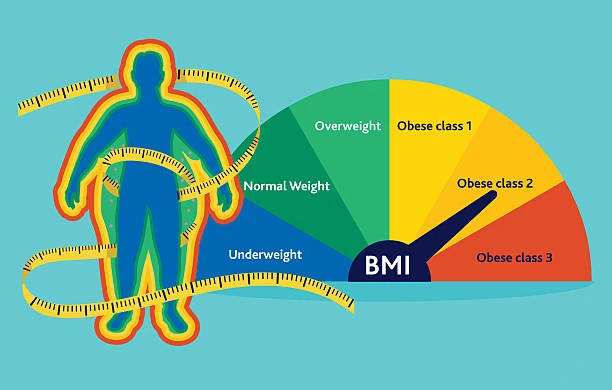
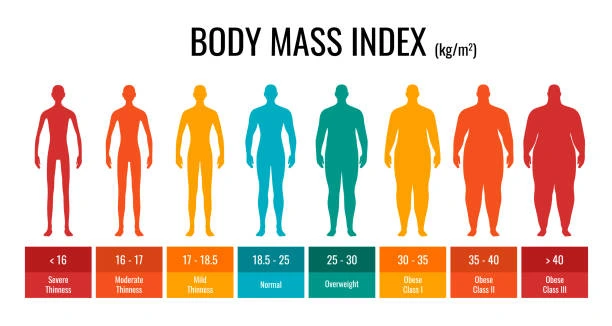
When people first hear about ASCAP, BMI, and SESAC, the names can feel abstract. They sound official, maybe even bureaucratic. A surprising number of beginners mix up BMI with body mass index and start searching for a bmi calculator, only to realize they’re in the wrong corner of the internet. In music, BMI means something very different. And once the confusion clears, the real question starts forming: what is the purpose of ascap bmi and sesac?

The short explanation is that these organizations exist to make sure songwriters and publishers get paid when their music is performed publicly. But that simple line leaves out a lot. These performance rights organizations sit in the middle of a complicated ecosystem of music licensing, royalty collection, and copyright enforcement. Their role isn’t glamorous, but it’s foundational to how the music industry functions day to day.
What is the purpose of ASCAP BMI and SESAC in the Music Industry?
To understand what is the purpose of ascap bmi and sesac, you have to picture how often music is played in public. Radio stations. Restaurants. Bars. Streaming services. Television broadcasts. Live concerts. Even background music in retail stores.
Every time a song is performed publicly, the songwriter is owed money. That’s where public performance rights come into play. Tracking every instance individually would be nearly impossible for a single writer. So performance rights organizations step in.
ASCAP, BMI, and SESAC act as intermediaries. They:
- Issue licenses to businesses that use music
- Collect licensing fees
- Track performances
- Distribute music royalties to rights holders
Without these organizations, royalty collection would fall entirely on individual creators. That would mean chasing down radio stations, venues, and digital platforms on your own. Few writers would manage it.
So when asking what is the purpose of ascap bmi and sesac, the core answer is structure. They create a system that turns public performances into income.
A closer look at ASCAP, BMI, and SESAC
Even though they share similar responsibilities, there are differences in how they operate. People often search for the difference between ASCAP BMI and SESAC because membership structures vary.
Here’s a basic comparison:
| Organization | Founded | Membership Model | For-Profit? |
|---|---|---|---|
| ASCAP | 1914 | Open to songwriters & publishers | No |
| BMI | 1939 | Open to songwriters & publishers | No |
| SESAC | 1930 | Invitation-only | Yes |
ASCAP and BMI operate as non-profit performance rights organizations. SESAC is privately owned and selective about who joins. That difference shapes how they manage songwriter royalties and administrative processes.
Still, their purpose aligns. They manage music licensing and ensure that music copyright protection translates into actual payments.
Why songwriters need performance rights organizations
A songwriter can’t monitor every café, radio station, or streaming service playing their work. That’s the practical problem. Think about how frequently music circulates. It crosses state lines, time zones, and platforms. Trying to track each use manually would be chaotic a bit like trying to calculate scheduling across regions without a timezone converter.
Performance rights organizations centralize that chaos. They collect performance data from broadcasters, venues, and digital services. Then they use formulas and reporting systems to distribute music royalties accordingly. Without them, public performance rights would exist on paper but be nearly impossible to enforce consistently.
How ASCAP BMI and SESAC work in practice
When exploring how ASCAP BMI and SESAC work, the process follows a recognizable structure.
- A songwriter joins one of the organizations.
- The songwriter registers their compositions.
- Businesses obtain a broadcast music license or general performance license.
- The organization tracks performances through surveys, digital monitoring, and reporting systems.
- Royalty payments are distributed periodically.
The mechanics may differ slightly between ASCAP BMI SESAC, but the structure remains similar.
Here’s a simplified payment flow:
| Step | Action |
|---|---|
| Song registered | Added to database |
| Performance occurs | Logged by monitoring system |
| License fees collected | From venue or broadcaster |
| Royalty calculation | Based on usage data |
| Payment sent | To songwriter & publisher |
It’s administrative work, mostly unseen, but it forms the backbone of royalty distribution.
Public performance rights explained in real terms
Public performance rights refer to the legal right to perform a copyrighted work in a public space. This includes live bands playing cover songs, radio broadcasts, and streaming services delivering music to subscribers. Music copyright protection grants creators these rights automatically upon creation. But enforcement is complex.
If a bar plays songs without a broadcast music license, it may face legal consequences. That license isn’t bought from individual writers. It’s obtained through a performance rights organization. So, what is the purpose of ascap bmi and sesac in this context? They simplify compliance for businesses while protecting income for creators.
Royalty collection and distribution systems
Royalty collection isn’t a flat system. Different types of royalties exist:
| Royalty Type | Paid For |
|---|---|
| Performance royalties | Public performance of music |
| Mechanical royalties | Physical or digital reproduction |
| Sync royalties | Use in film/TV |
| Print royalties | Sheet music sales |
ASCAP BMI SESAC focus specifically on performance royalties.
Tracking data across radio, streaming platforms, and live venues requires digital infrastructure. Monitoring tools detect song usage across large networks. It’s not perfectly precise. Sampling and estimation still play roles. But without centralized royalty collection, songwriter royalties would be inconsistent and incomplete.
The difference between ASCAP BMI and SESAC
People researching what is the purpose of ascap bmi and sesac often want to know which one is “better.” The reality is less dramatic.
The difference between ASCAP BMI and SESAC mostly comes down to structure and membership policies.
- ASCAP and BMI accept broad membership.
- SESAC operates on invitation.
- Payment schedules and formulas vary slightly.
Writers generally choose one organization and affiliate exclusively for performance rights in the U.S.
It’s not about musical style or genre preference. It’s about administrative alignment.
Tracking performances in a digital age
The shift to streaming changed how performance rights organizations operate. Instead of relying heavily on radio surveys, they now process massive digital data sets. Monitoring systems analyze millions of plays daily. Calculations adjust according to territory, platform type, and licensing agreements.
Handling that volume requires data processing systems not unlike using an number base converter when translating numerical systems structured inputs, defined outputs. While the analogy isn’t perfect, the underlying principle is similar: converting raw usage into payment figures.
Why businesses need music licensing
Restaurants, gyms, and retail stores sometimes assume that a streaming subscription covers public use. It doesn’t. Consumer subscriptions are for private listening. Public performance requires a separate broadcast music license.
Here’s why:
| Scenario | License Required? |
|---|---|
| Personal headphones | No |
| Retail store speakers | Yes |
| Radio broadcast | Yes |
| Private home party | No |
Performance rights organizations negotiate blanket licenses, allowing businesses to play music from large catalogs legally. Without these licenses, music copyright protection would be undermined at scale.
The financial impact on songwriters
Songwriter royalties may not always make headlines, but they sustain careers. A song played repeatedly on radio or in public venues generates ongoing income. That recurring revenue often supports writers who aren’t performing artists.
When considering what is the purpose of ascap bmi and sesac, this financial continuity stands out. They turn repeated performances into recurring payments. It’s not always predictable income. Distribution formulas vary. But without performance rights organizations, many writers would lose compensation entirely.
International considerations
ASCAP BMI SESAC operate primarily in the United States, but they collaborate with international societies. When a U.S. song is played abroad, foreign performance rights organizations collect fees and transfer them back.
Reciprocal agreements maintain global coverage. That international web prevents revenue gaps. Music crosses borders constantly. Licensing structures must follow.
Common Misconceptions
One misconception is that joining all three organizations increases earnings. That isn’t how it works. Writers affiliate with one PRO for performance rights.
Another misconception is that these organizations control creative rights. They don’t. They manage licensing and royalty distribution, not artistic direction. Some also assume music licensing only matters for major hits. Smaller independent works generate performance royalties too.
Why three organizations instead of one
Competition introduces flexibility. ASCAP BMI SESAC negotiate separately with businesses and broadcasters. Different rate structures and administrative styles create alternatives.
Writers evaluate payment timing, service quality, and membership policies before choosing. The presence of multiple performance rights organizations prevents a single monopoly over royalty collection.
The evolving landscape of music royalties
Streaming changed royalty distribution models. Performance rights organizations had to adapt tracking systems and reporting structures. Digital platforms now account for a significant portion of music royalties.
Even with advanced monitoring, estimating usage across millions of streams requires complex data processing. The question what is the purpose of ascap bmi and sesac becomes even more relevant in this digital environment. Without centralized systems, digital fragmentation would make enforcement chaotic.
Long-term role in music copyright protection
Music copyright protection gives creators ownership. Performance rights organizations give that ownership economic meaning. A copyright without enforcement yields little income. Public performance rights without collection systems remain theoretical.
ASCAP BMI SESAC bridge that gap. They don’t create music. They don’t promote artists. They handle infrastructure. And infrastructure, while less visible, shapes the industry’s sustainability.
So what is the purpose of ascap bmi and sesac in simple terms?
It comes back to this: they ensure songwriters and publishers get paid when their music is performed publicly. They issue licenses, collect fees, track usage, and distribute royalties. They maintain legal clarity for businesses and financial continuity for creators. Without them, enforcing public performance rights would become fragmented and inefficient.
Music would still exist. Songs would still be written. But royalty collection would be inconsistent, and many creators would struggle to claim their earnings. That steady administrative presence quiet, structured, ongoing is the purpose of ASCAP, BMI, and SESAC.