A lot of people end up here after checking their weight on a bmi calculator and realizing they fall into the normal range, yet they’re still struggling with cravings, blood sugar swings, or stubborn weight patterns. The question of how to get glp 1 with normal bmi usually comes from that frustration. It’s rarely about chasing dramatic weight loss. More often, it’s about metabolic health, appetite control, or managing insulin resistance that doesn’t show up neatly on a BMI chart.
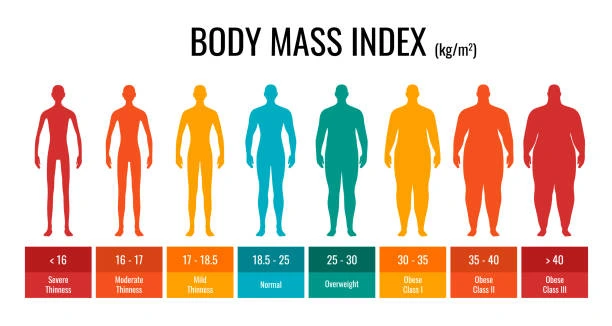
BMI is a screening tool. It doesn’t measure body composition, hormone balance, visceral fat, or metabolic flexibility. Someone can have a normal BMI and still deal with prediabetes, PCOS, metabolic syndrome traits, or strong genetic weight tendencies. That’s where interest in GLP-1 medication begins.
How to Get GLP 1 with Normal BMI: What Actually Determines Access
The phrase how to get glp 1 with normal bmi sounds simple, but access depends on medical criteria, not preference. Doctors don’t prescribe a GLP-1 receptor agonist based solely on appearance or a desire to slim down. They look at health markers, medical history, and established BMI requirements.
Most GLP-1 medication options were first approved for type 2 diabetes. Later, some were approved as weight loss medication under specific conditions. Standard BMI requirements often include:
| Category | Typical Eligibility Standard |
|---|---|
| Obesity | BMI ≥ 30 |
| Overweight + condition | BMI ≥ 27 with hypertension, diabetes, etc. |
| Normal BMI | Not automatically eligible |
This creates confusion. If someone has a normal BMI, they may not qualify under standard Wegovy eligibility rules. That’s why people ask, can you get GLP-1 with a normal BMI? The short answer is sometimes but not for general weight loss.
Doctors consider factors like insulin resistance, A1C levels, lipid profile, PCOS, or cardiovascular risk. In certain cases, a semaglutide prescription may be appropriate for metabolic reasons unrelated to cosmetic weight concerns.
BMI Doesn’t Tell the Whole Story
BMI works as a population-level tool. Individually, it can mislead. Many women discover this when researching bmi for women and learning that hormonal cycles, muscle mass, and body fat distribution shift how BMI reflects health.
Someone can have:
- Normal BMI
- Elevated fasting insulin
- High triglycerides
- Strong family history of diabetes
In those situations, a GLP-1 receptor agonist may be evaluated for blood sugar regulation rather than weight loss alone.
GLP-1 medication slows gastric emptying, improves insulin secretion, and reduces appetite. These effects can benefit people who are metabolically unhealthy despite appearing “normal” on paper.
Understanding GLP-1 Medication Beyond Weight Loss
When people think of Ozempic for weight loss, they often miss its primary role in diabetes management. Ozempic contains semaglutide, originally intended for glycemic control.
GLP-1 receptor agonist drugs mimic the glucagon-like peptide-1 hormone. This hormone:
- Stimulates insulin release
- Suppresses glucagon
- Slows digestion
- Reduces appetite
Weight change is a secondary effect of these metabolic actions.
That matters when discussing how to get glp 1 with normal bmi. If your goal is metabolic stabilization rather than dramatic fat reduction, your doctor may view the situation differently.
GLP-1 Eligibility Criteria Explained in Practical Terms
People search for GLP-1 eligibility criteria explained because the rules feel rigid. Insurance companies often follow FDA approval guidelines strictly.
Here’s a simplified overview:
| Medication | Primary Approval | Weight Criteria |
|---|---|---|
| Ozempic | Type 2 Diabetes | Not BMI-based for diabetes |
| Wegovy | Chronic Weight Management | BMI ≥ 30 or ≥ 27 with condition |
Wegovy eligibility usually depends on obesity classification. If you have a normal BMI, a semaglutide prescription under the weight-loss label may be denied.
Yet diabetes-related prescriptions don’t rely on BMI. They rely on lab results. That distinction is often overlooked.
Time, Lifestyle, and Medical Context Matter
Timing also plays a role. Someone traveling frequently, working night shifts, or dealing with erratic schedules might explore metabolic solutions. I’ve seen people trying to align medication timing across countries, even using tools like a timezone converter when managing injections while traveling.
Lifestyle stress can worsen insulin sensitivity. A normal BMI doesn’t protect against cortisol-driven metabolic shifts. Doctors consider these contexts during a doctor consultation.

BMI Requirements for Semaglutide Prescription
The phrase BMI requirements for semaglutide prescription appears often in search results. For weight loss labeling, those requirements are specific. For diabetes treatment, BMI is less central.
Insurance typically requires documentation of:
- Failed lifestyle interventions
- Presence of comorbid conditions
- Lab-confirmed metabolic dysfunction
If someone asks how to get glp 1 with normal bmi purely for cosmetic reasons, most physicians decline. But if bloodwork supports intervention, it becomes a clinical conversation rather than a cosmetic one.
Age, Hormones, and Metabolic Changes
Age shifts insulin sensitivity. Perimenopause, testosterone decline, and thyroid function all interact with metabolism. Some people even check their biological stage with tools like an age calculator when trying to understand hormone timing.
Hormonal transitions can cause increased visceral fat despite stable weight. In these cases, a GLP-1 receptor agonist may be evaluated for metabolic correction.
This is where can you get GLP-1 with a normal BMI becomes less hypothetical. It depends on measurable risk.
Insurance, Coding, and Documentation
Medical coding affects approval more than most patients realize. Doctors must justify prescriptions properly. Some clinics even reference data patterns and diagnostic categories in structured formats, almost like converting medical logic through a number base converter translating health conditions into insurer language.
Insurance providers require:
- ICD-10 diagnosis codes
- Documented BMI
- Comorbidities
- Failed prior interventions
If none apply, approval becomes unlikely.
Doctor Consultation: What Actually Happens
During a doctor consultation, expect discussion around:
- A1C levels
- Fasting glucose
- Insulin resistance markers
- Family history
- Eating behavior patterns
Doctors assess whether GLP-1 medication aligns with clinical need. It isn’t handed out casually, even in telehealth settings.
When someone asks how to get glp 1 with normal bmi, the real answer often begins with bloodwork.
Risks and Considerations
GLP-1 medication can cause:
- Nausea
- Delayed gastric emptying
- Gallbladder concerns
- Rare pancreatitis risk
For someone with a normal BMI, excessive weight reduction could push them into underweight territory. Physicians evaluate this carefully.

Ozempic for Weight Loss vs Diabetes Treatment
Ozempic for weight loss became popular socially before many understood its original purpose. Its branding differs from Wegovy, though both contain semaglutide.
The distinction affects eligibility. Wegovy eligibility is weight-based. Ozempic prescriptions for diabetes are glucose-based. That’s why how to get glp 1 with normal bmi often depends on metabolic diagnosis, not aesthetic goals.
Is It Ethical to Seek GLP-1 at Normal BMI?
This question comes up quietly. If medication supply is limited, should individuals without obesity seek it?
Some argue GLP-1 medication should prioritize diabetes and severe obesity. Others believe early metabolic intervention prevents disease progression. There isn’t a universal answer. Doctors weigh risk versus benefit on a case-by-case basis.
Alternative Paths Before Medication
For those who don’t meet BMI requirements, physicians may suggest:
- Structured nutrition therapy
- Resistance training
- Sleep correction
- Metformin trials
- Hormone evaluation
Weight loss medication isn’t the first line of care for someone with normal BMI unless labs justify it.
Long-Term Considerations
GLP-1 receptor agonist therapy is not short-term for most patients. Discontinuation often leads to appetite return and weight regain. Someone at normal BMI must consider:
- Sustainability
- Long-term metabolic need
- Psychological relationship with food
These conversations happen during doctor consultation visits.
Final Thoughts on Access and Reality
The conversation around how to get glp 1 with normal bmi isn’t really about bypassing rules. It’s about understanding them. If you have a normal BMI but abnormal labs, documented insulin resistance, PCOS, or diabetes risk, a GLP-1 receptor agonist may be medically appropriate.
If the motivation is purely cosmetic, most clinicians decline. GLP-1 eligibility criteria explained in simple terms: medical necessity outweighs aesthetic preference. The path usually starts with labs, not weight alone. And sometimes, the real work begins before any prescription is written.