Temperature shows up in daily life more than we usually notice. Weather apps, cooking instructions, even travel plans everything quietly depends on it. But things get confusing when different countries use different scales. That’s where How to Calculate Fahrenheit to Celsius starts to matter.
Before getting into formulas, it helps to think of temperature conversion like any other kind of math conversion, similar to using a bmi calculator where numbers shift into something more meaningful depending on context.
Table of Contents
How to Calculate Fahrenheit to Celsius
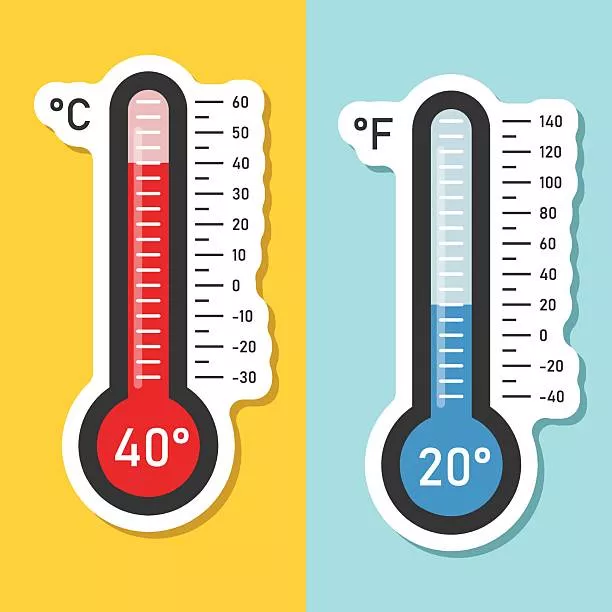
The process of How to Calculate Fahrenheit to Celsius is actually simpler than it first looks. The main idea is to move between two temperature systems: Fahrenheit and Celsius. These scales don’t just use different numbers—they start from different reference points. The standard fahrenheit to celsius formula is:
C = (F − 32) × 5/9
This is the core conversion formula used everywhere. If you understand this, most of the confusion disappears. The celsius to fahrenheit formula (for reverse conversion) is:
F = (C × 9/5) + 32
Even though we’re focusing on fahrenheit to celsius, seeing both helps make sense of how temperature scales connect.
Understanding temperature conversion in simple terms
Temperature conversion is basically math conversion between two measurement systems. Fahrenheit and Celsius just use different starting points and different step sizes.
In celsius, water freezes at 0 degrees celsius and boils at 100 degrees celsius. In fahrenheit, water freezes at 32 degrees fahrenheit and boils at 212 degrees fahrenheit.
That gap is why the formula looks slightly uneven. It’s not random it’s built on how the scales were originally designed. If you think of it like a percentage calculator, you’re basically adjusting values based on a ratio instead of direct subtraction.
Step-by-step method for fahrenheit to celsius
If you want a simple breakdown of how to calculate fahrenheit to celsius step by step, here’s a way that usually makes sense: Start with the fahrenheit number. Subtract 32 first. Then multiply the result by 5. Finally divide by 9.
Example:
Let’s convert 68°F.
68 − 32 = 36
36 × 5 = 180
180 ÷ 9 = 20
So, 68°F = 20°C.
This method helps especially when you’re new to temperature scale conversion and don’t want to memorize everything at once.
Why the formula works the way it does
The fahrenheit formula is not just random math. It reflects how the scale was originally designed. Celsius is based on water’s freezing and boiling points. Fahrenheit uses a different reference system, which is why it starts at 32 instead of 0.
The conversion formula simply aligns both systems so they match at key points. Once you understand that, the math stops feeling strange and becomes more predictable.
Quick reference table for temperature conversion
| Fahrenheit (°F) | Celsius (°C) |
|---|---|
| 32°F | 0°C |
| 50°F | 10°C |
| 68°F | 20°C |
| 86°F | 30°C |
| 104°F | 40°C |
This table helps when you don’t want to do full calculations every time.
Using temperature conversion in real life
Temperature conversion isn’t just classroom math. It shows up in travel, cooking, weather checks, and even science experiments. If you travel between countries, you’ll constantly switch between degrees fahrenheit and degrees celsius. A weather app might show one scale, while a recipe uses the other. It becomes a habit after a while, almost like checking time zones with a timezone converter when you’re dealing with different countries.
Common mistakes people make
One common mistake is forgetting to subtract 32 before multiplying. That small step changes everything.
Another issue is mixing up the formulas. Using celsius to fahrenheit formula instead of fahrenheit to celsius leads to completely wrong results. Some people also rush through division, which can slightly shift the final answer. These errors are small but noticeable in real calculations.
Mental tricks to remember the formula
There are a few simple ways to remember fahrenheit to celsius conversion without stressing over memorization.
Think of it as:
- Remove the 32 difference
- Scale down by dividing and multiplying
Another way is to remember that celsius values are usually smaller than fahrenheit for the same temperature.
Over time, your brain starts estimating without needing full calculation. Even tools like an age calculator work in a similar way behind the scenes it’s just structured conversion between units.
More examples of fahrenheit to celsius conversion
Let’s try a few quick ones:
100°F:
100 − 32 = 68
68 × 5 = 340
340 ÷ 9 ≈ 37.8°C
50°F:
50 − 32 = 18
18 × 5 = 90
90 ÷ 9 = 10°C
These examples help build confidence when doing temperature conversion without a calculator.
Difference between Celsius and Fahrenheit
Celsius is widely used in most countries. It’s based on water’s freezing and boiling points, which makes it easier to relate to science. Fahrenheit is mostly used in the United States. It uses smaller degree steps, which makes temperature changes feel more gradual. Both systems measure the same thing, just in different ways. Understanding both helps when switching between systems in daily life.
How temperature conversion appears in science
In science, temperature conversion is used constantly. Experiments often require precise measurements in degrees celsius, even if data is collected in fahrenheit.
This is important in chemistry, physics, and environmental studies.
Even energy-related topics sometimes involve conversions, similar to using an energy converter when switching units.
Table: quick conversion shortcuts
| Fahrenheit | Celsius (approx) |
|---|---|
| 32°F | 0°C |
| 40°F | 4°C |
| 60°F | 16°C |
| 80°F | 27°C |
| 100°F | 38°C |
These are rounded values, but useful for quick estimation.
Practice mindset for beginners
If you’re just starting, don’t try to rush accuracy. Focus on understanding the pattern first.
Practice a few conversions daily:
- 70°F → °C
- 90°F → °C
- 120°F → °C
Over time, the process becomes familiar and less mechanical.
How reverse conversion works?
The celsius to fahrenheit formula is useful when going the other way:
F = (C × 9/5) + 32
It works opposite to fahrenheit to celsius, but follows the same logic. You scale up instead of scaling down, then adjust by adding 32.
When you’ll actually use this
Temperature conversion shows up in everyday things:
- Checking weather abroad
- Following cooking instructions
- Reading scientific data
- Traveling between countries
It’s one of those math skills that quietly stays useful long after you learn it.
Tips to Avoid Confusion
A few small habits help:
- Always write the formula first
- Do subtraction before multiplication
- Double-check units (°F vs °C)
- Estimate before final answer
Estimation helps catch obvious mistakes early.
Final thoughts that feel practical
Fahrenheit to celsius conversion isn’t complicated once you see the pattern behind it. It’s just a structured way of shifting between two systems that measure the same thing differently.
At first, the formula feels a bit mechanical, but after a few tries, it becomes routine. You stop thinking about steps and start recognizing values.
And that’s usually when it clicks not when you memorize it, but when you start understanding how the numbers behave.