In health and fitness talk, acronyms get thrown around like everyone was born knowing them. BMI is one of those. Short, common, often misunderstood. So, we clearly and effectively describe about bmi calculator guide Body Mass Index shows up on medical forms, fitness apps, and health reports, but few people stop to unpack what it actually tells them. Think of it as a quick snapshot, not the full portrait. Tools like calculator pro exist for this exact reason to turn vague numbers into something readable without overthinking it.
What Exactly Is Body Mass Index in BMI Calculator Guide?
Body Mass Index is a simple ratio built from height and weight. That’s it. No lab tests, no advanced scans. Doctors use it as a screening method, not a diagnosis. It helps flag potential issues early, especially at a population level. BMI doesn’t chase perfection; it looks for patterns. And patterns are often enough to ask better questions about health.
The Official BMI Categories
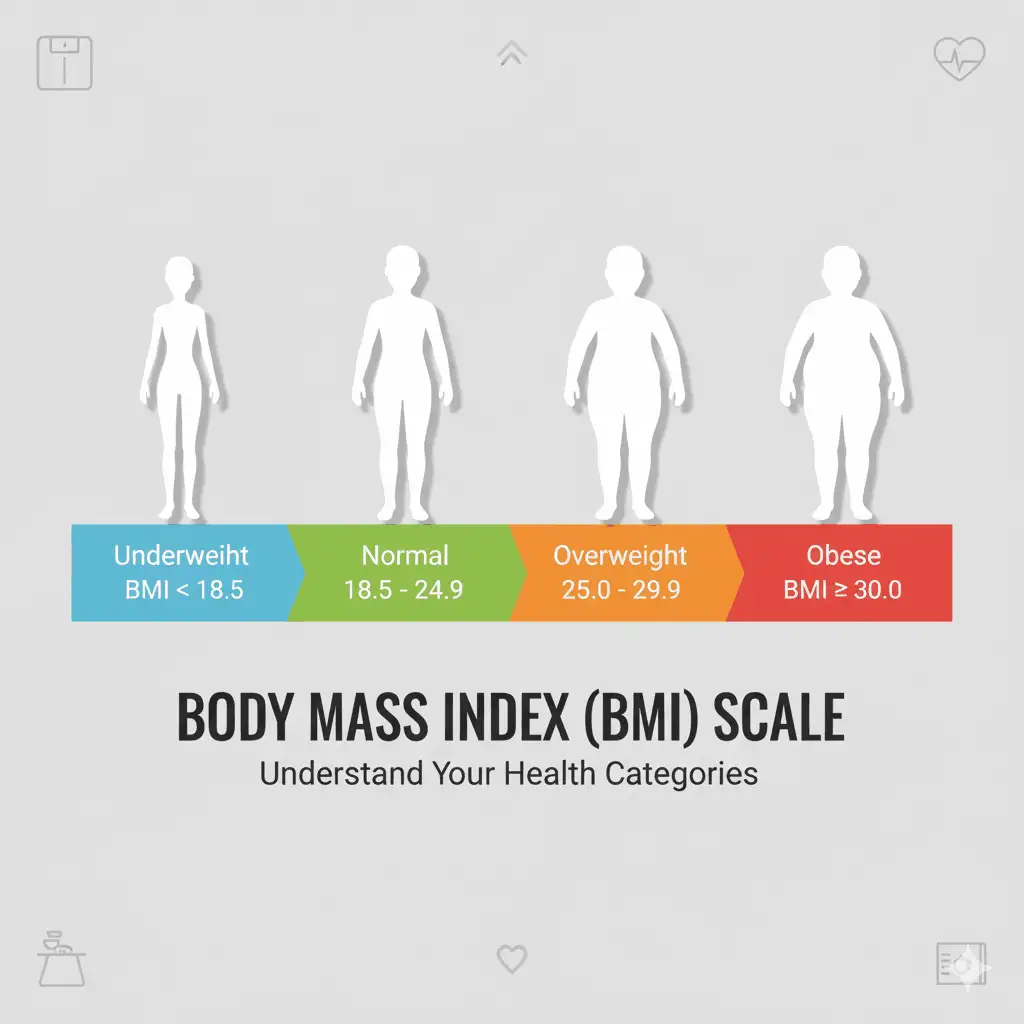
Once you calculate your BMI, the number drops into a range. Underweight, healthy, overweight, obese. These labels sound blunt because they are. They’re meant to be clear, not comforting. Behind the scenes, these ranges help standardize health data across regions and systems, much like how a length calculator keeps measurements consistent when units change.
Why Calculating Your BMI is Important
BMI matters because trends matter. A single reading won’t define your health, but repeated patterns can point toward risk. Higher BMI ranges are linked with long-term conditions like diabetes, heart disease, and blood pressure issues. Lower ranges can signal nutritional gaps or underlying problems. It’s not about judgment; it’s about awareness before things spiral.
How to Use Our BMI Calculator
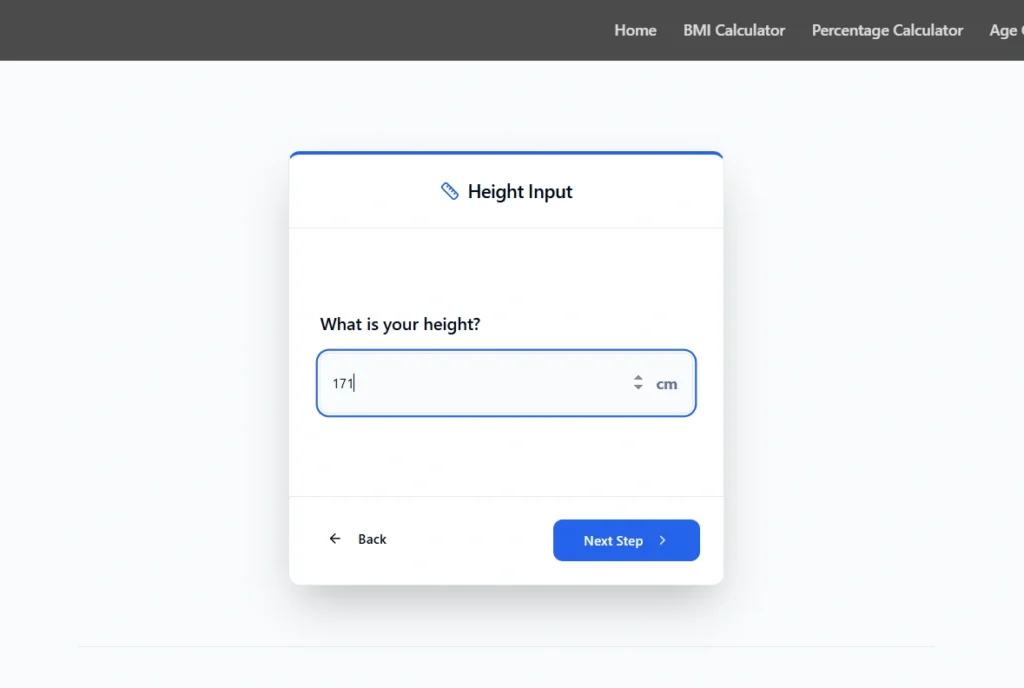
The math behind BMI is straightforward, but most people don’t want to calculate it manually. That’s fair. You enter height and weight, choose units, and get a result. No thinking required. Over time, tracking BMI can feel similar to watching numbers change in an Age calculatorthe value itself isn’t the story, but how it shifts tells you something real.
Pro Tip:
Need to check your word count? Check out our Word Count Checker for and results!
Limitations of BMI
BMI has blind spots. It doesn’t know muscle from fat. Athletes often get labeled “overweight” despite being extremely fit. Body composition, genetics, and lifestyle all sit outside BMI’s field of view. That’s why it works best as a starting line, not a finish. One number shouldn’t carry the full weight of your health narrative.
Conclusion: Your First Step to a Healthier Lifestyle
BMI isn’t a verdict. It’s a reference point. A way to ground health conversations in something measurable instead of guesswork. When used alongside other indicators activity level, diet, medical advice it becomes more useful. If you want that clarity, the BMI Calculator guide helps put the number in front of you so you can decide what to do next, without noise or pressure.
Frequently Asked Questions
What is a BMI calculator?
A BMI calculator is a tool that estimates body mass index using height and weight. It gives a general idea of whether a person falls into underweight, normal, overweight, or obese categories.
How is BMI calculated?
BMI is calculated by dividing weight by height squared. The formula uses kilograms and meters, or pounds and inches with a conversion factor.
Is BMI an accurate measure of health?
BMI is a general screening tool, not a full health assessment. It doesn’t account for muscle mass, bone density, age, or body composition, so results should be viewed in context.
What BMI range is considered normal?
A normal BMI range is usually between 18.5 and 24.9. Values outside this range may indicate underweight or excess body weight.
Does BMI apply to everyone?
BMI doesn’t work equally well for athletes, pregnant individuals, children, or older adults. In these cases, other health indicators are often more useful.
Why do doctors still use BMI?
Doctors use BMI because it’s quick, simple, and useful for identifying potential weight-related health risks at a population level. So i think bmi calculator guide helps alot.